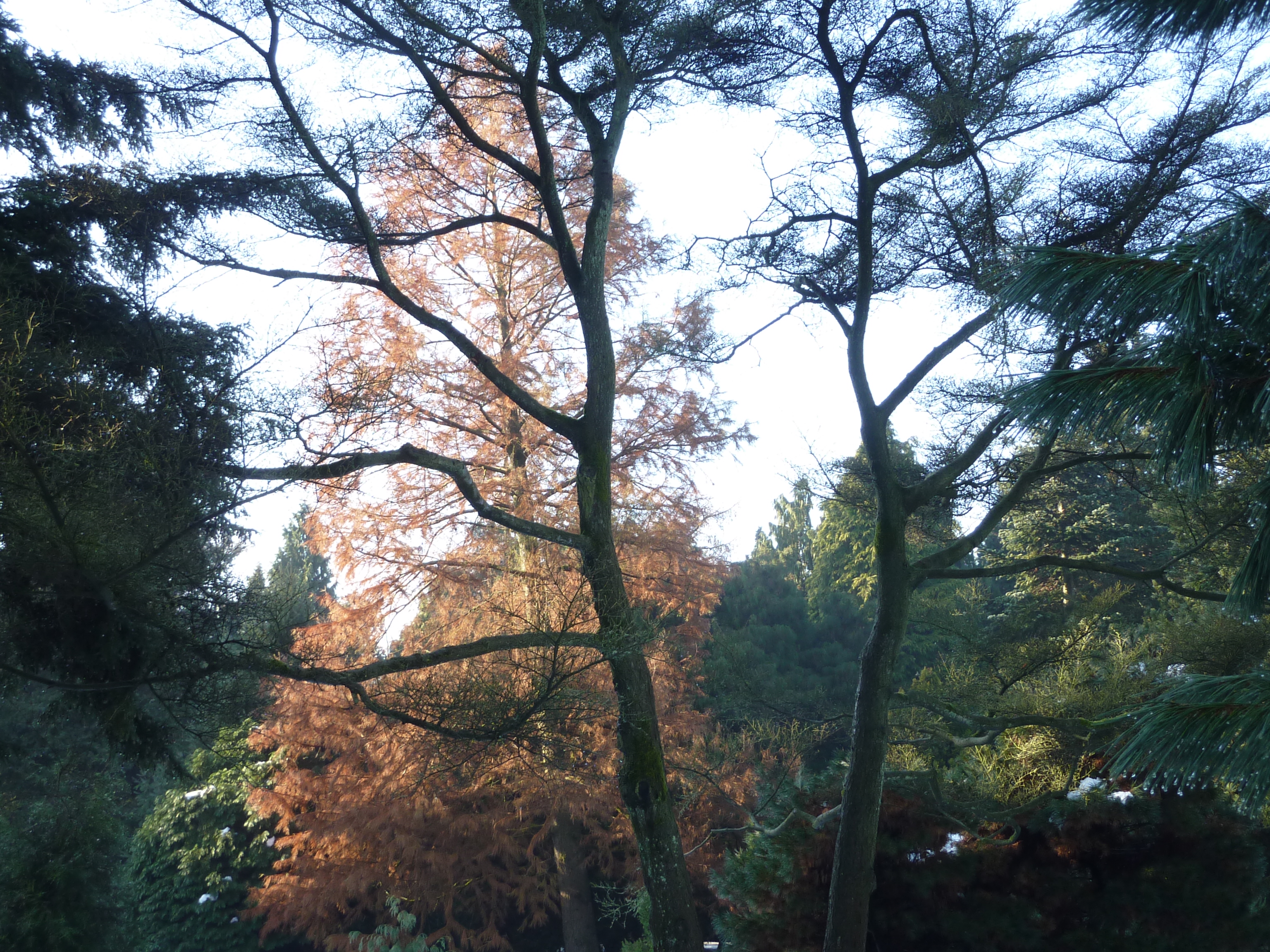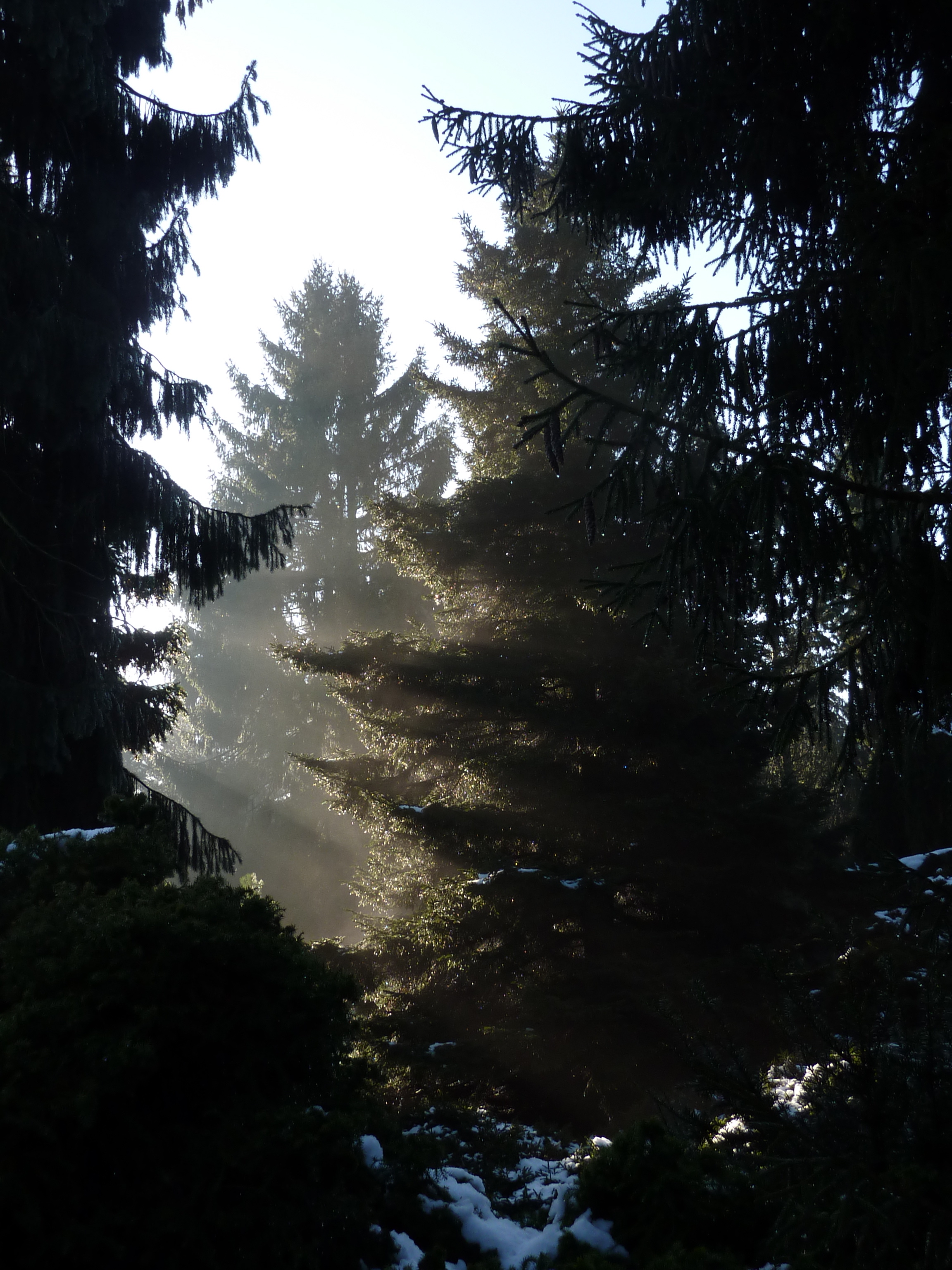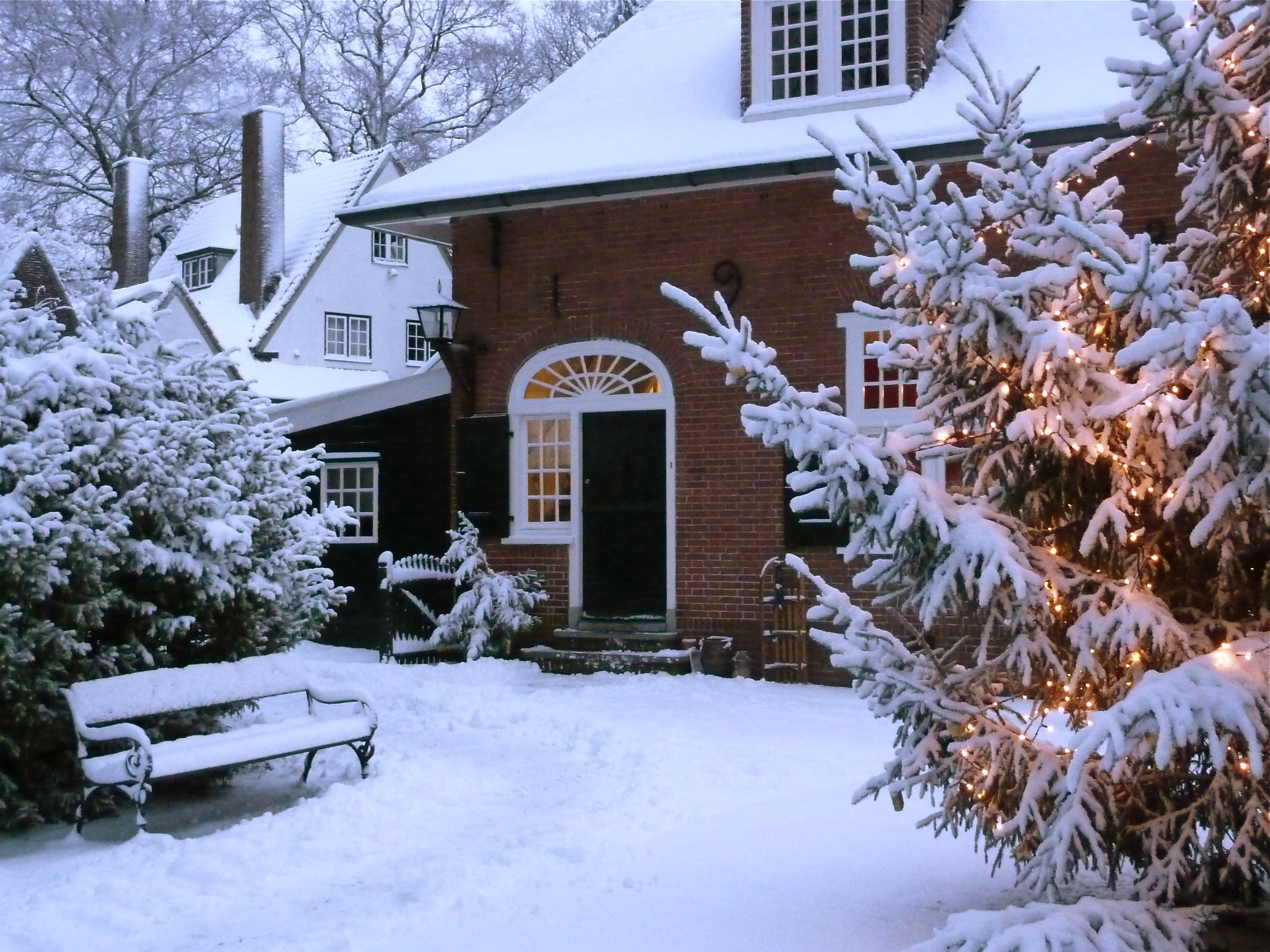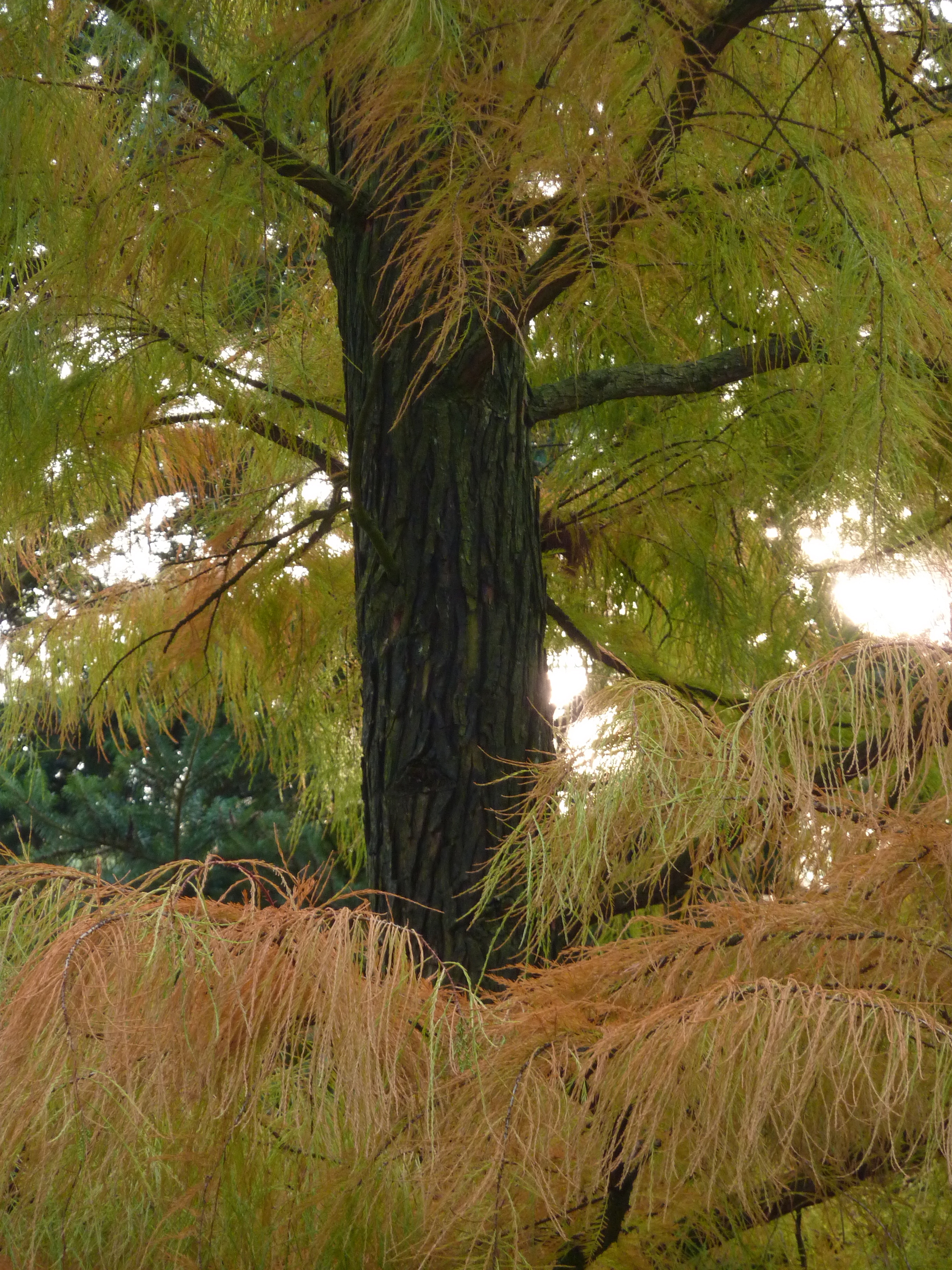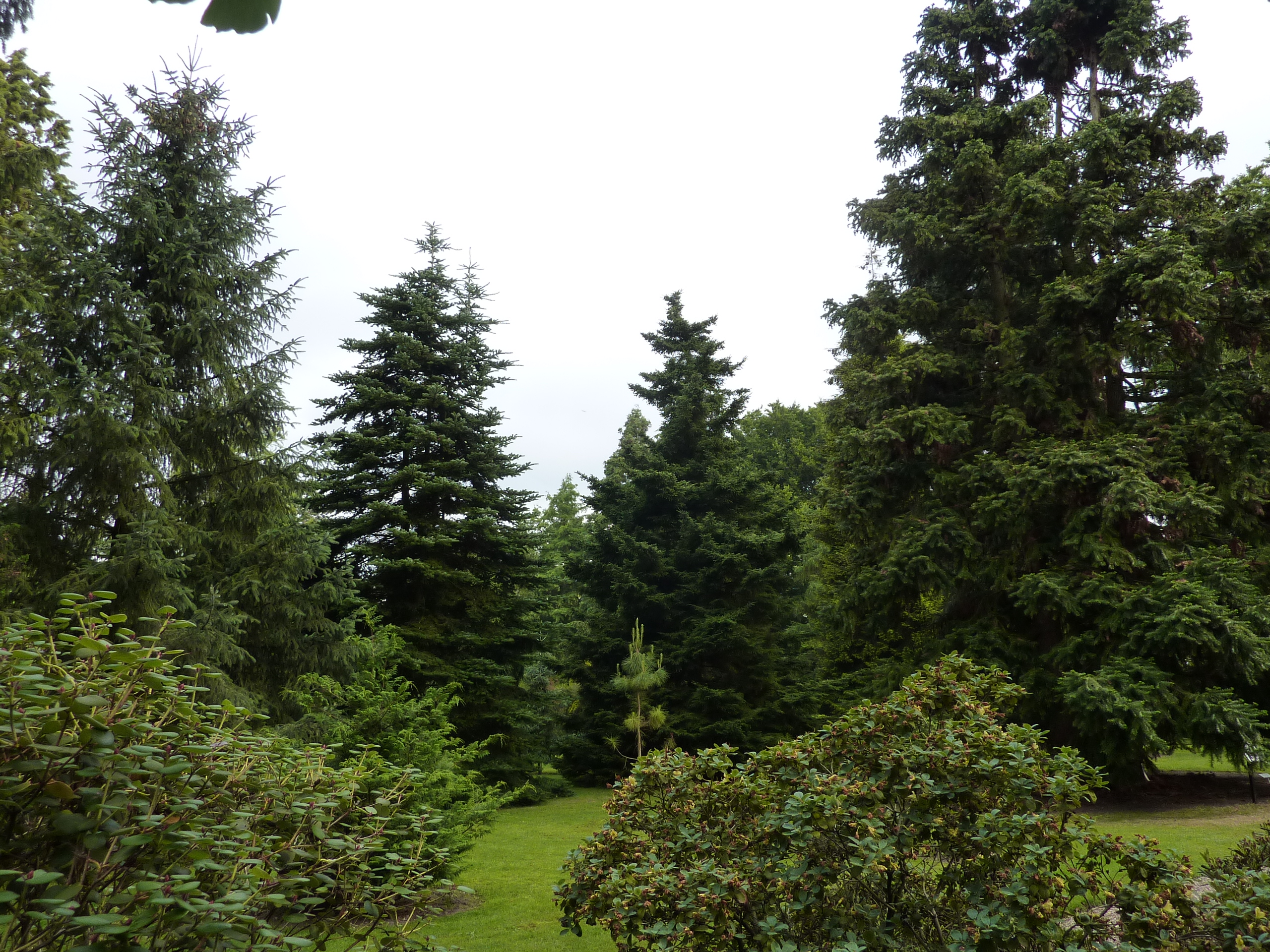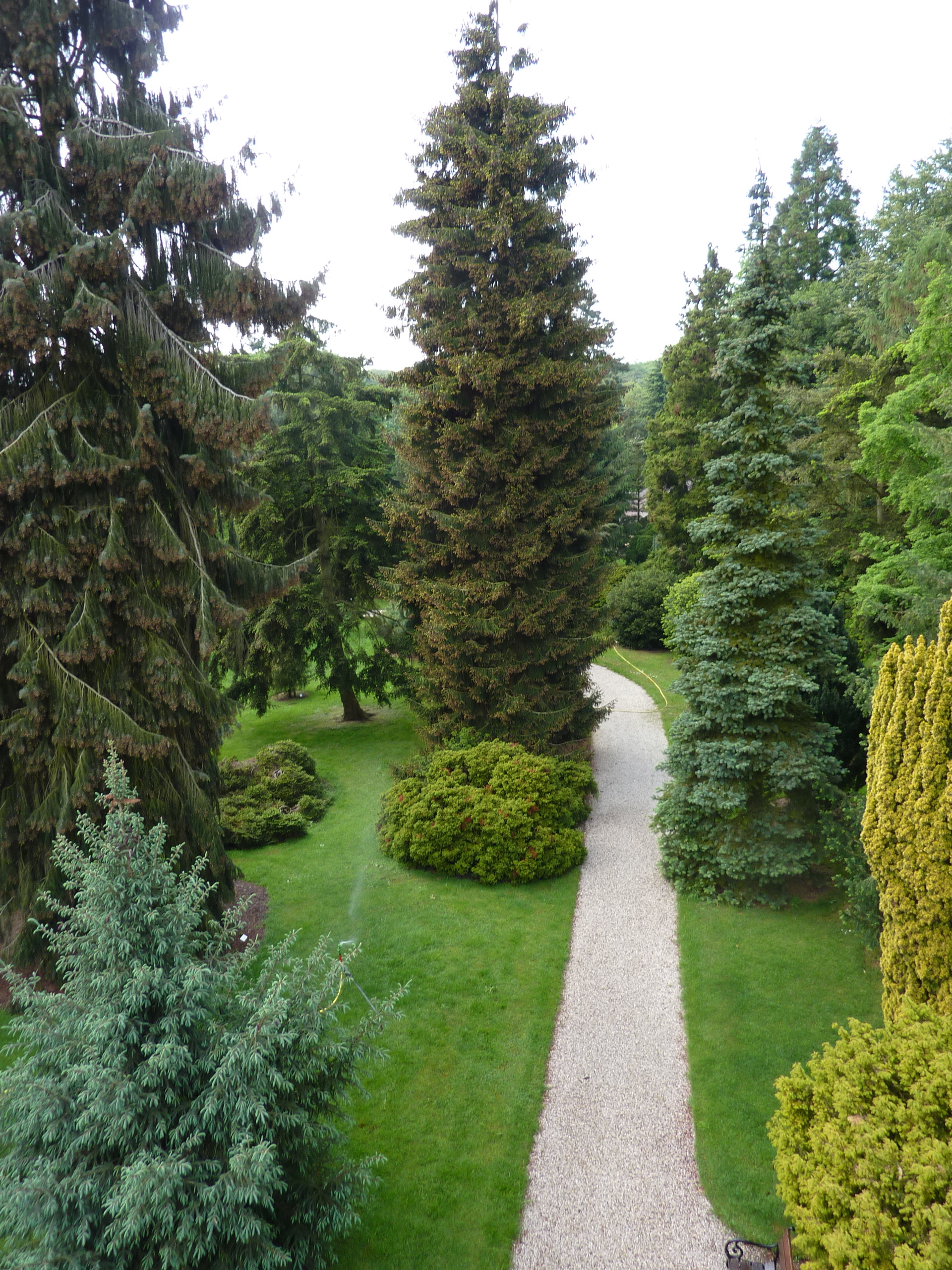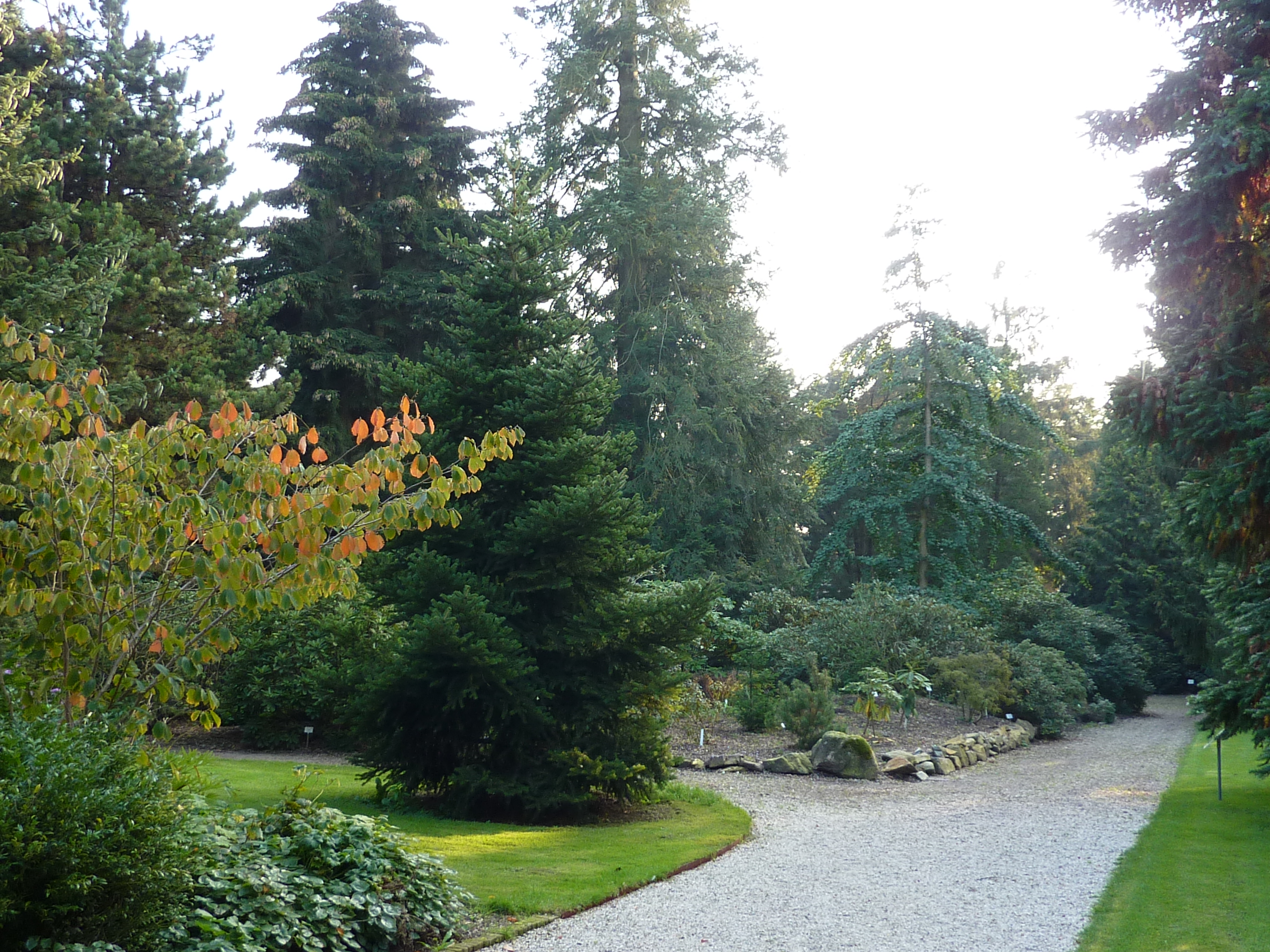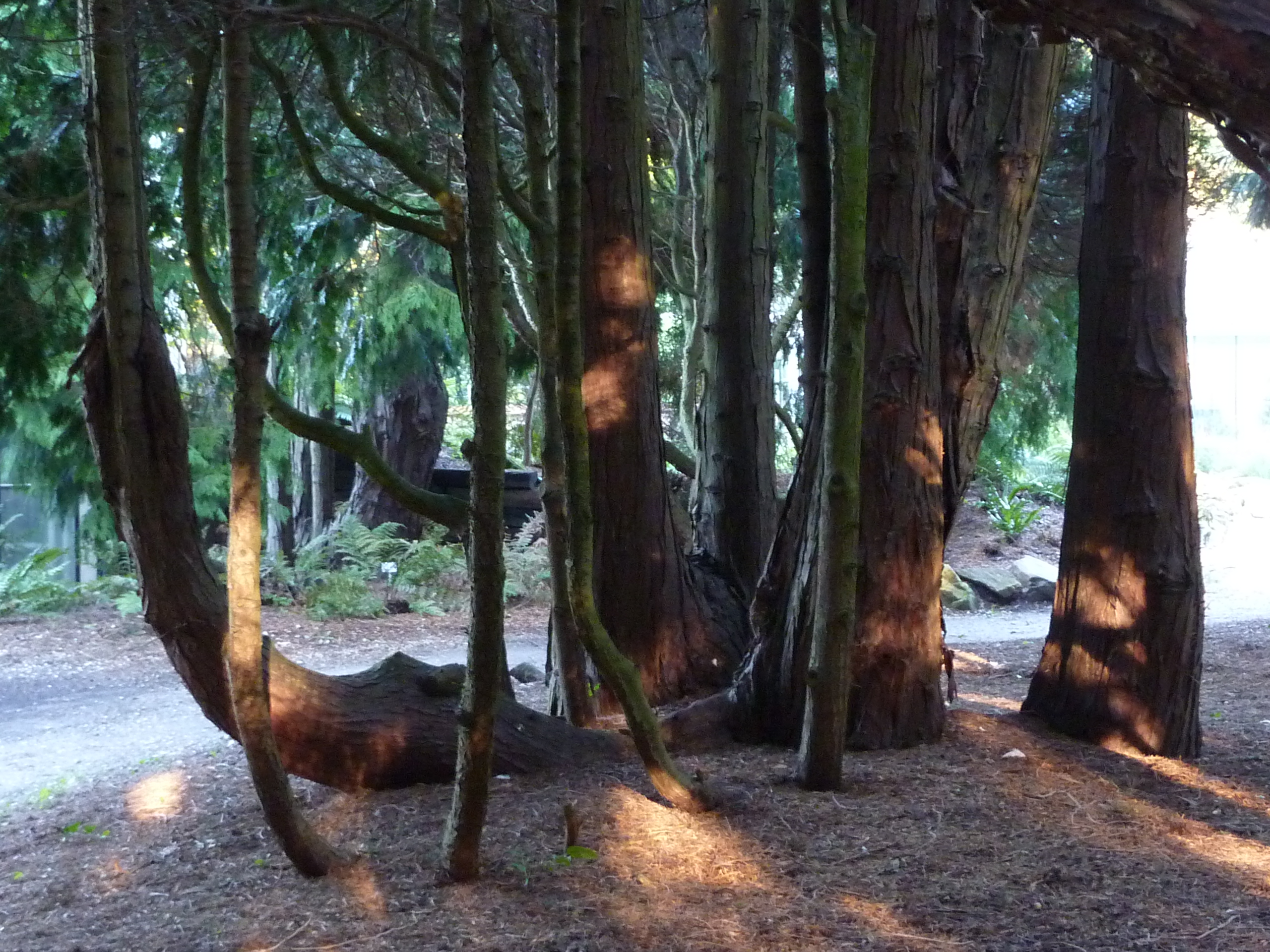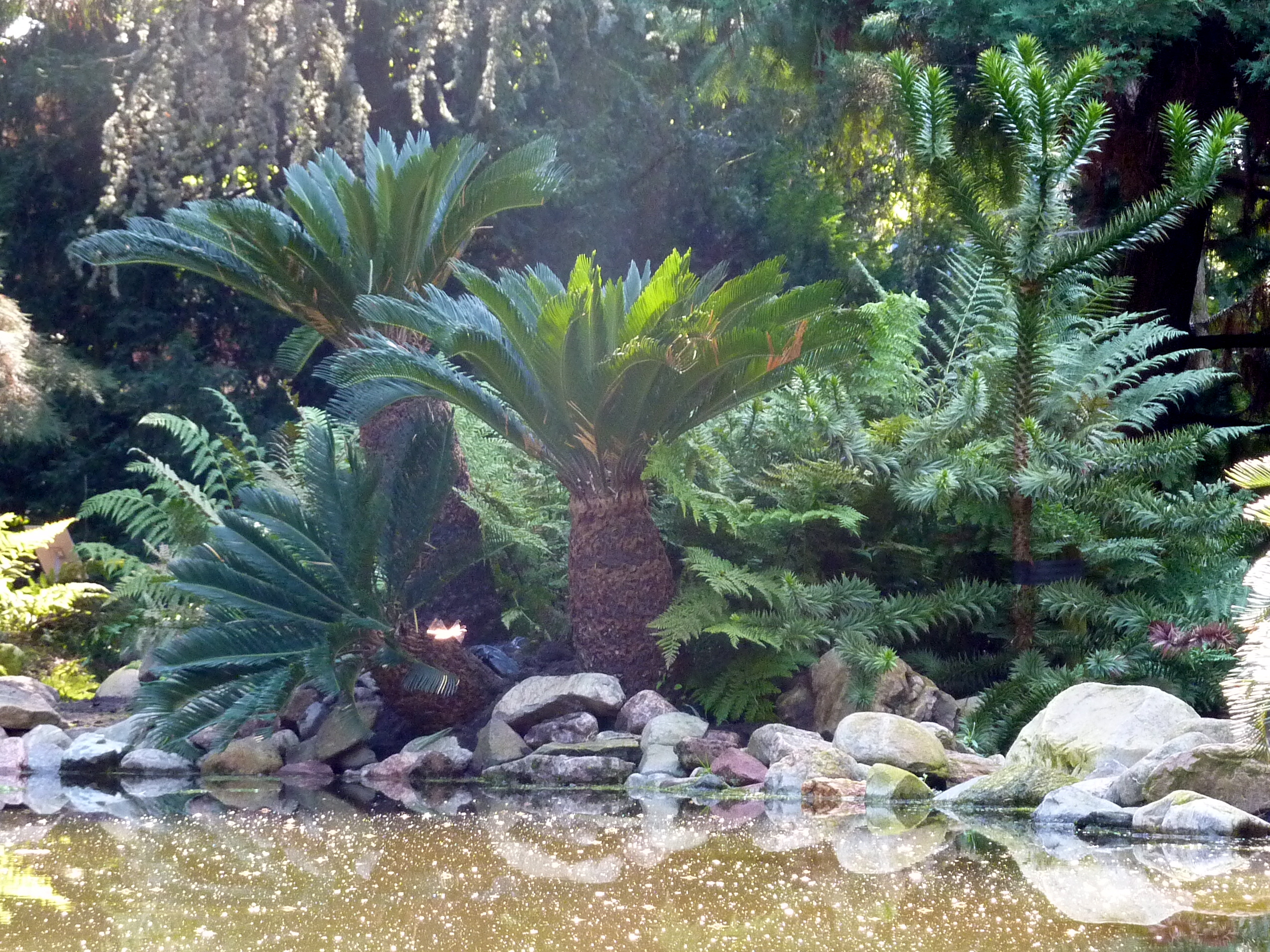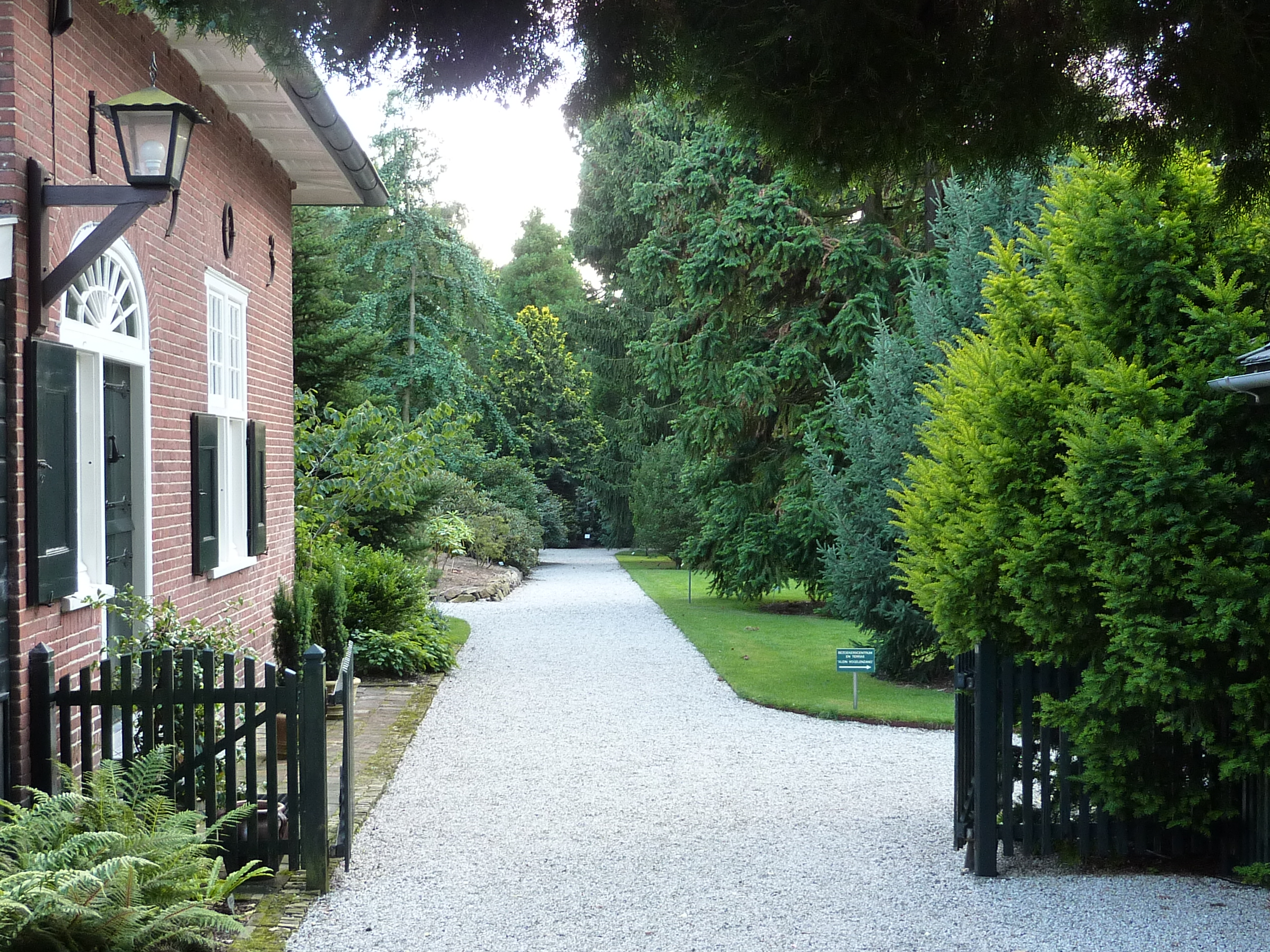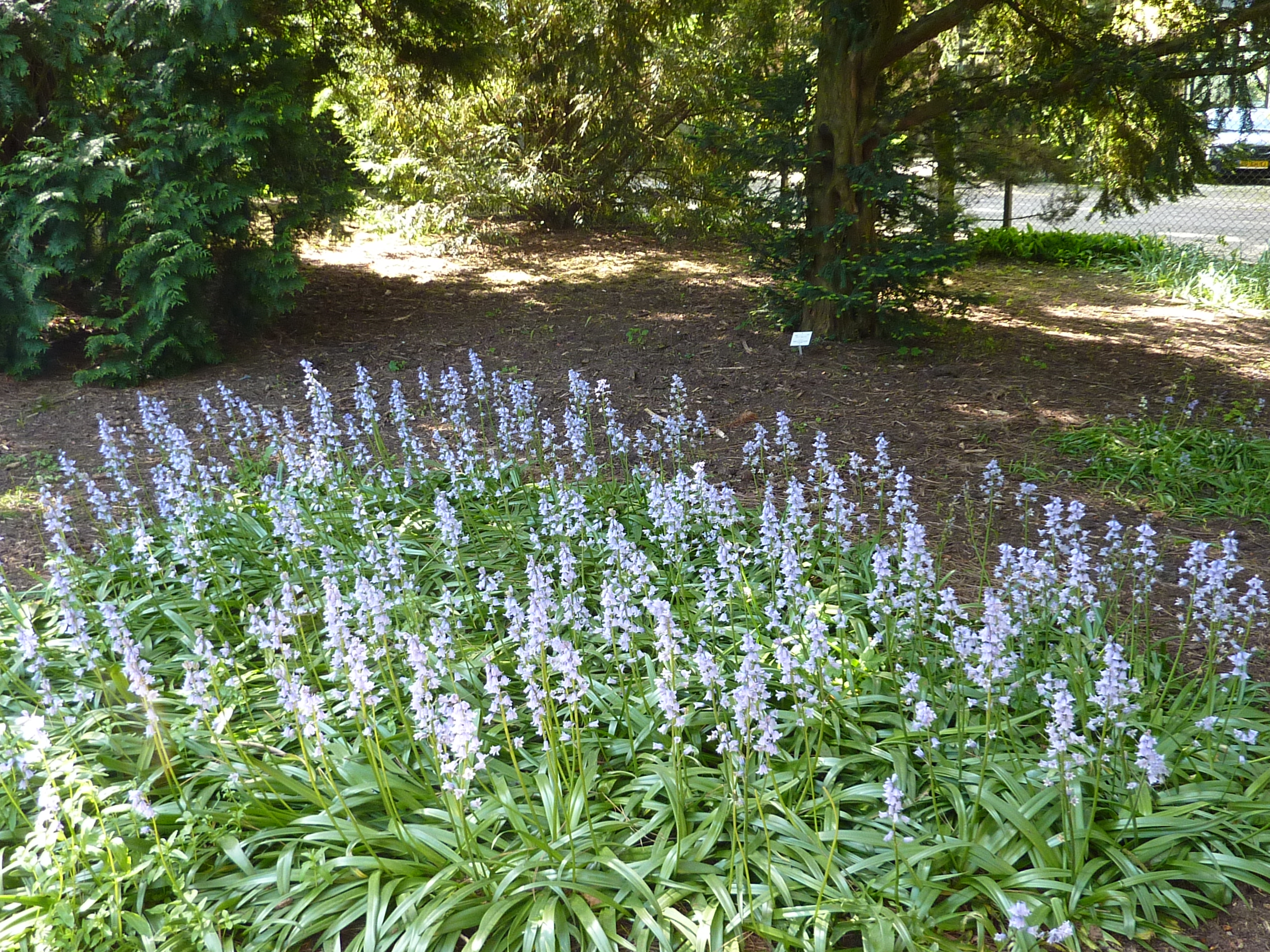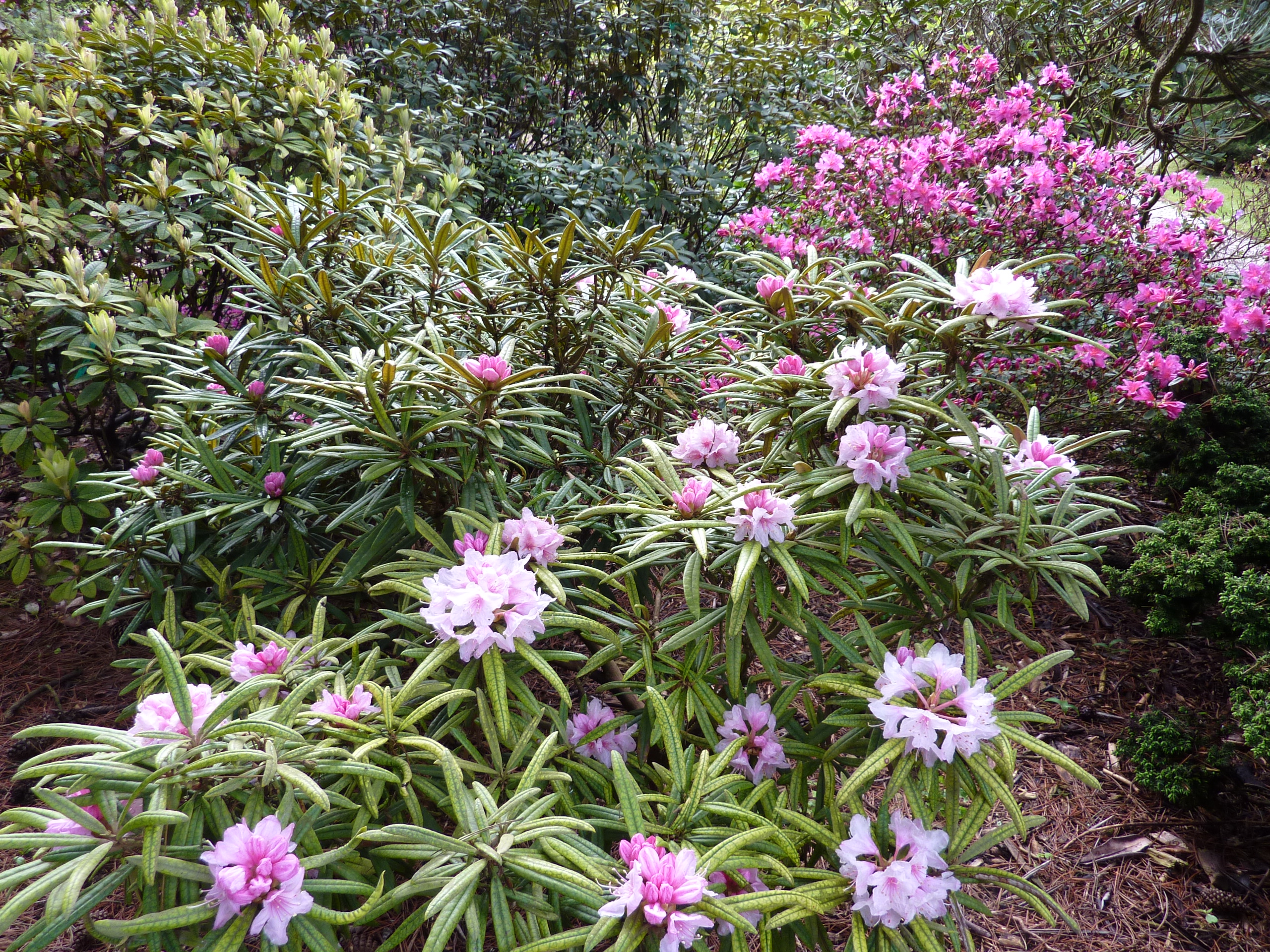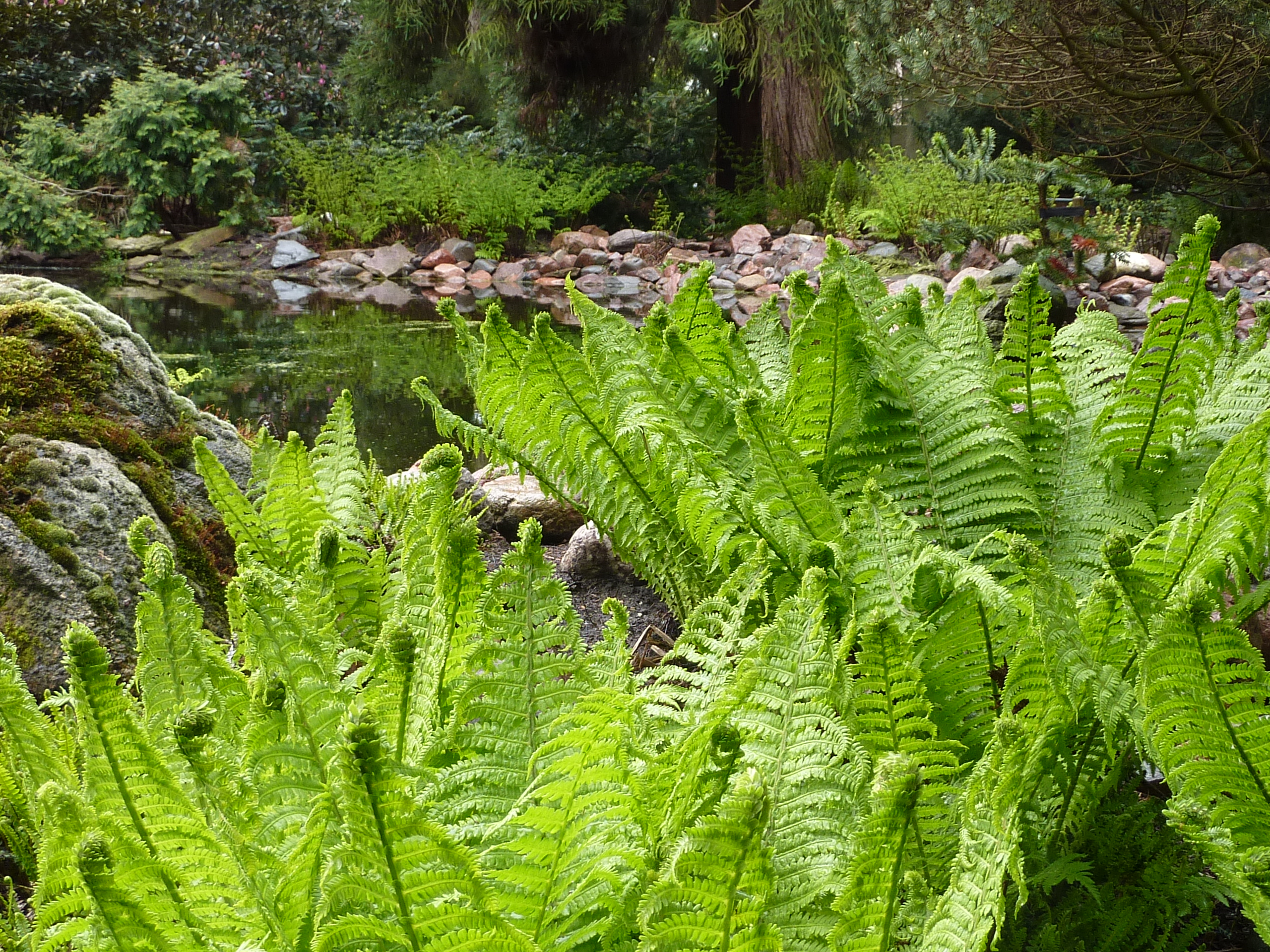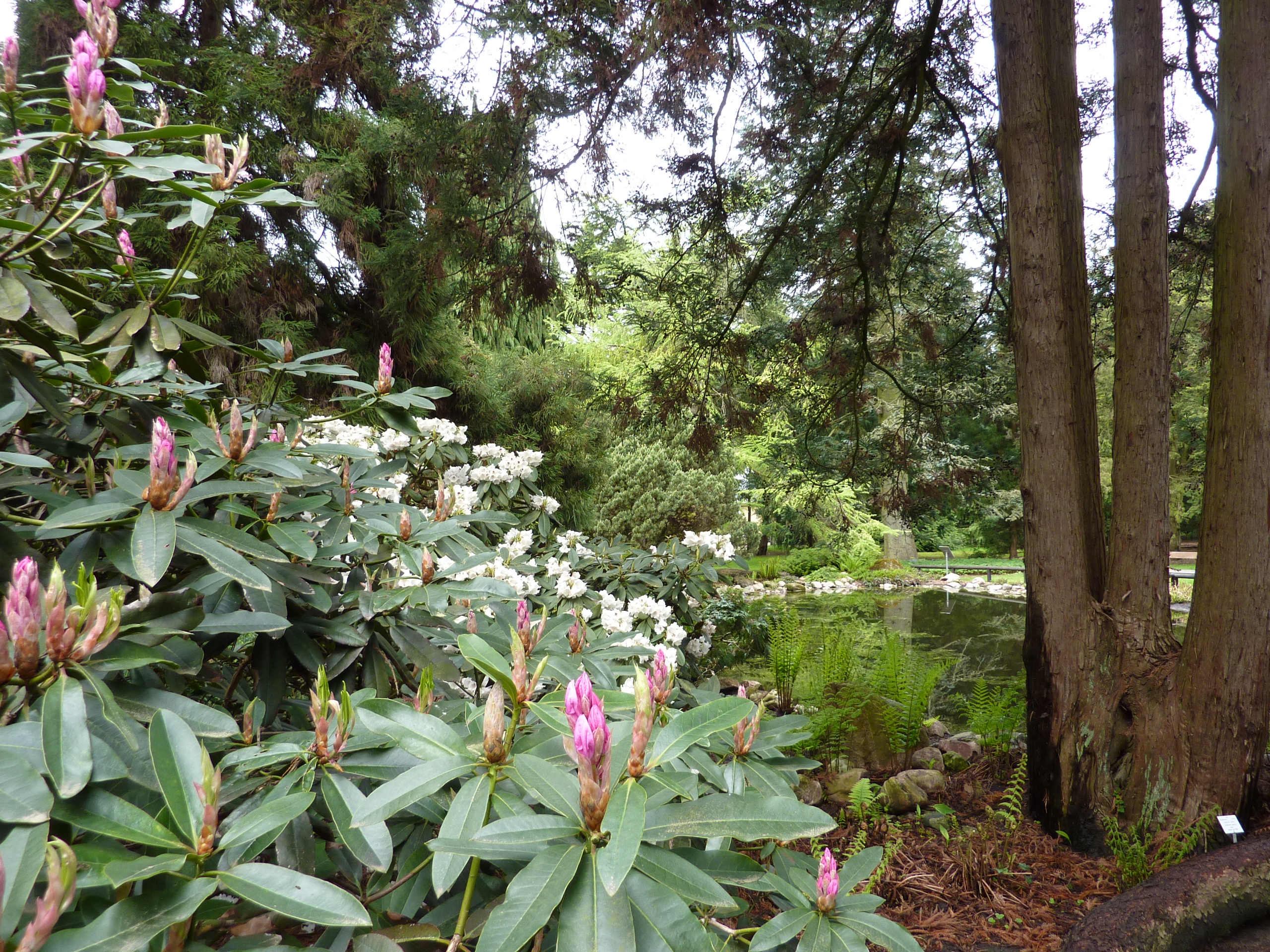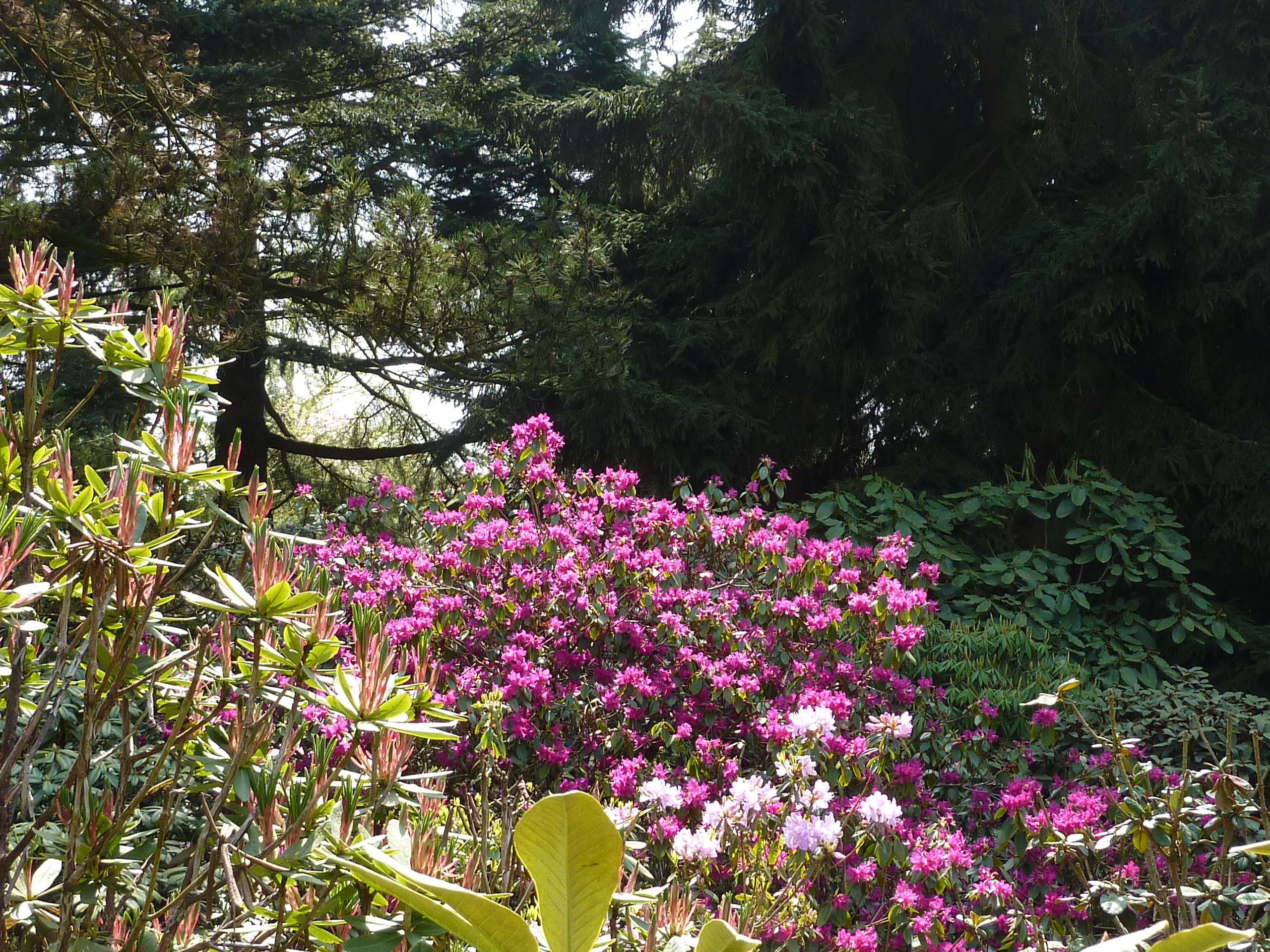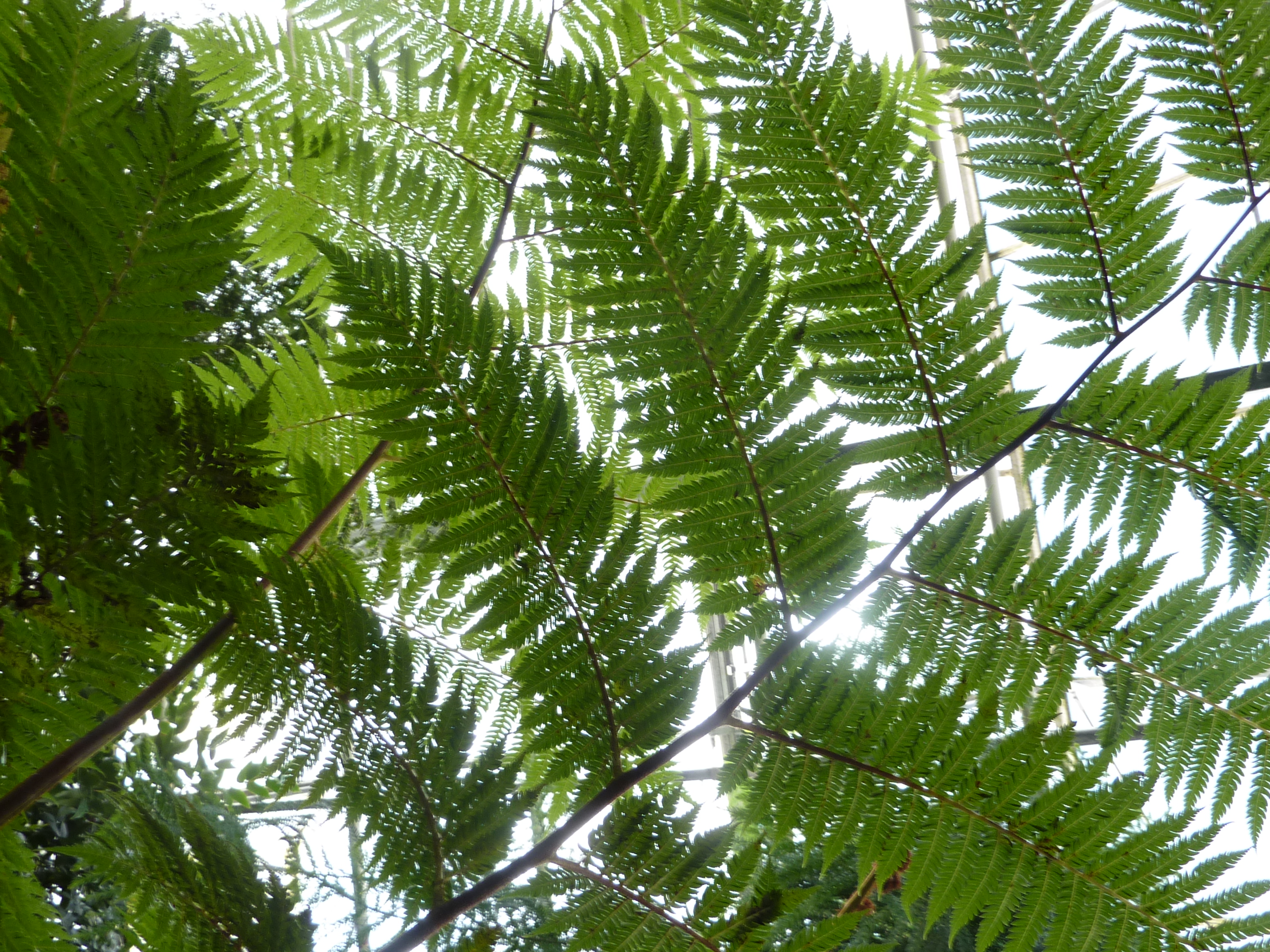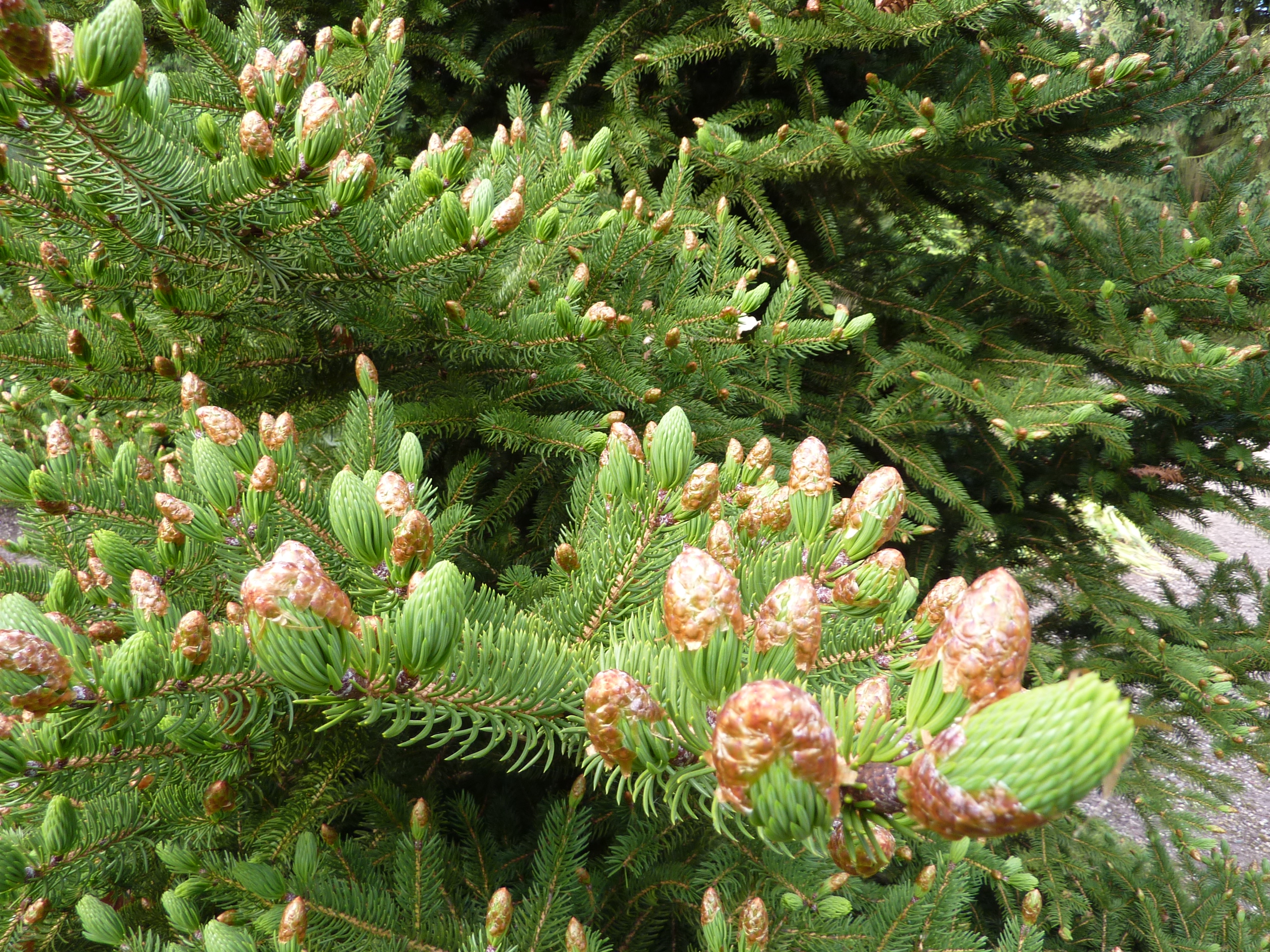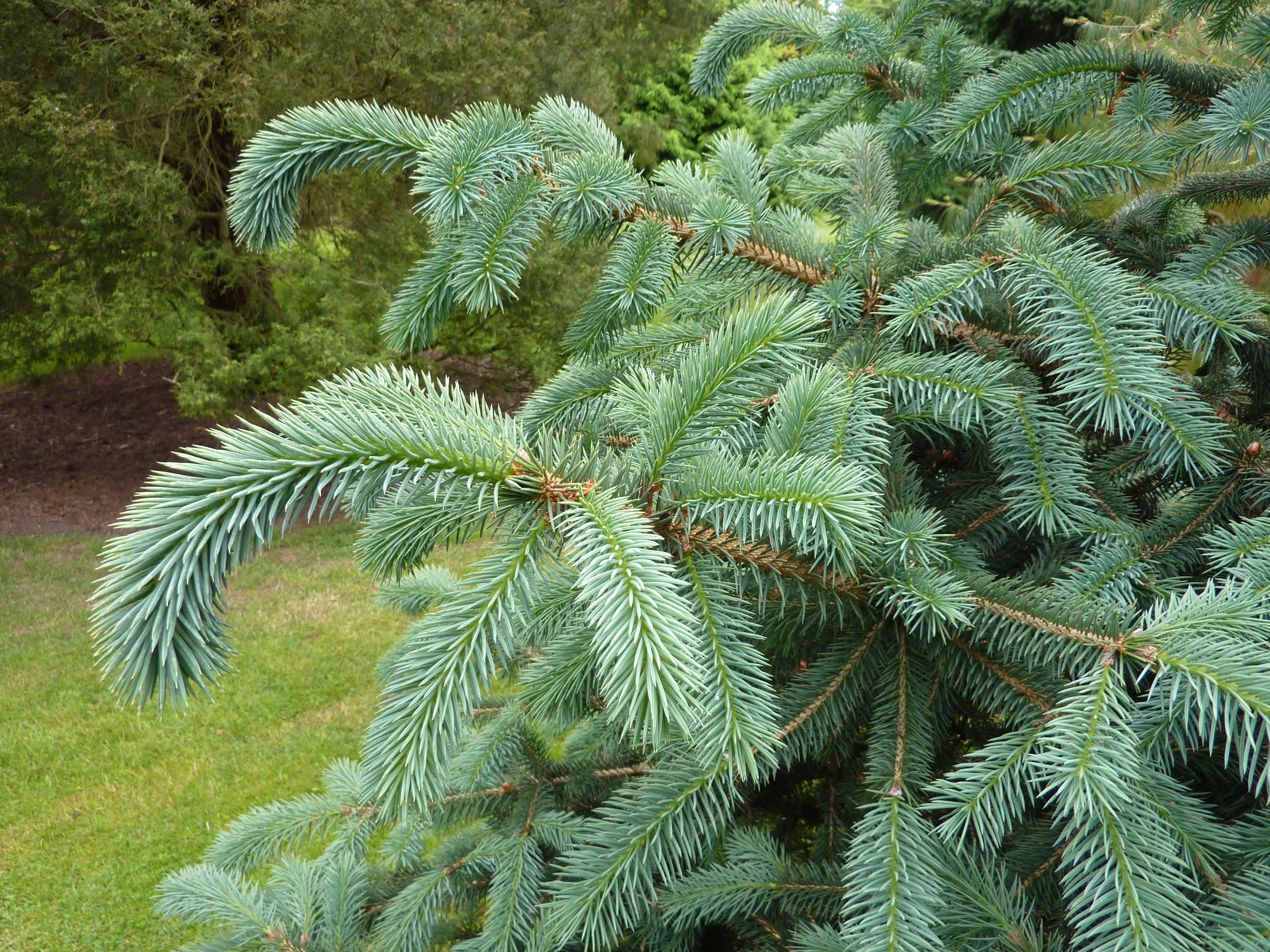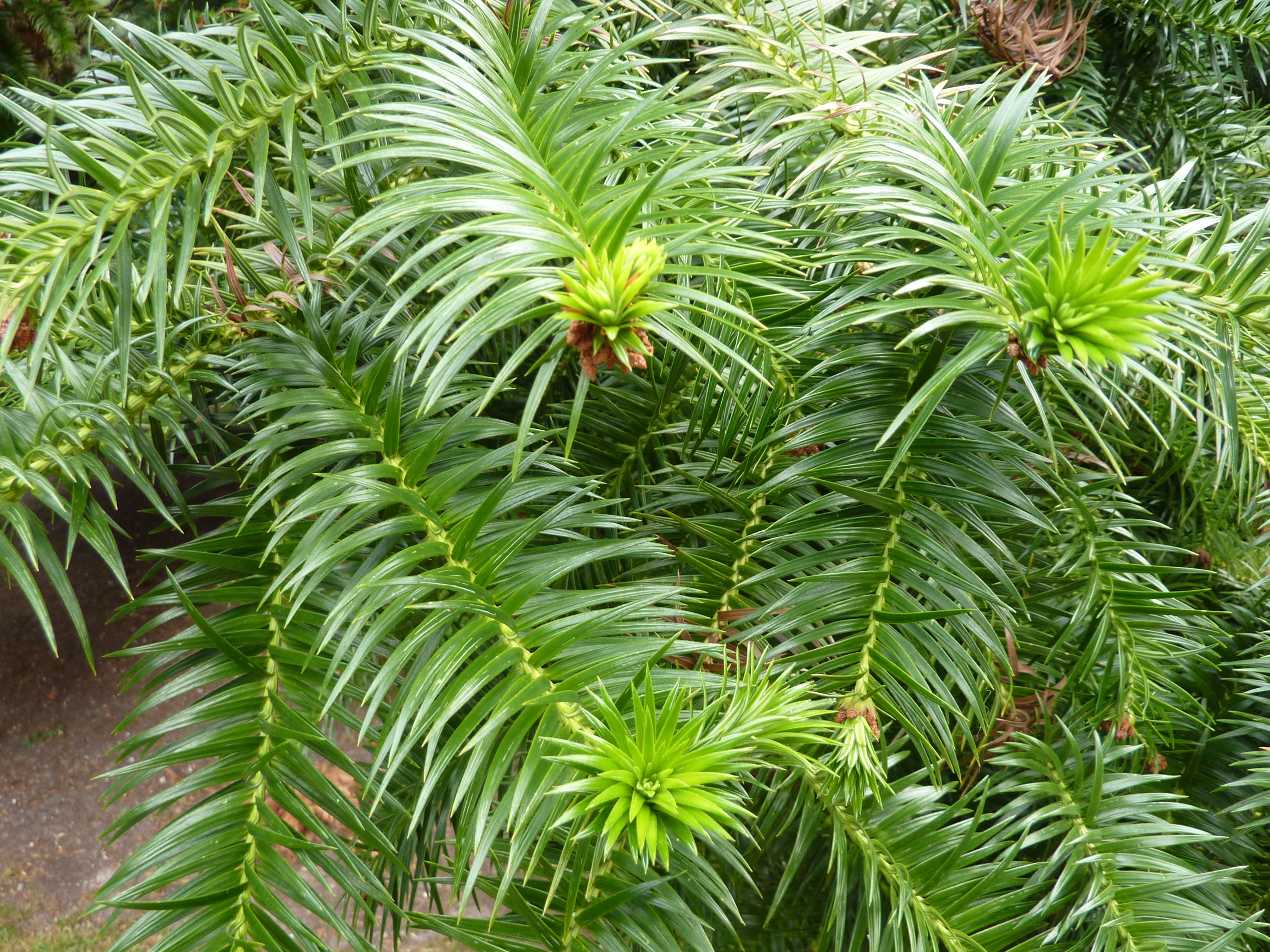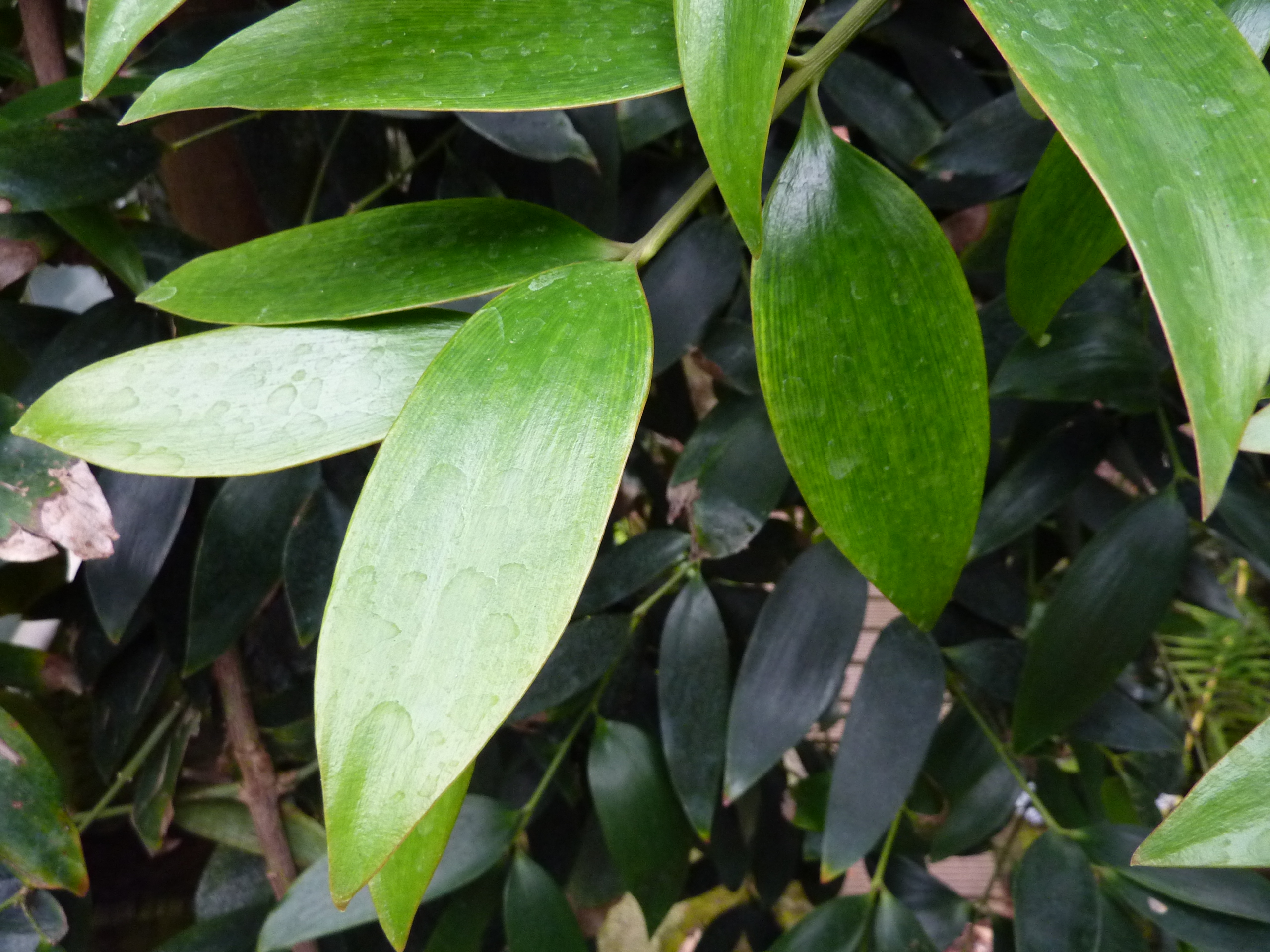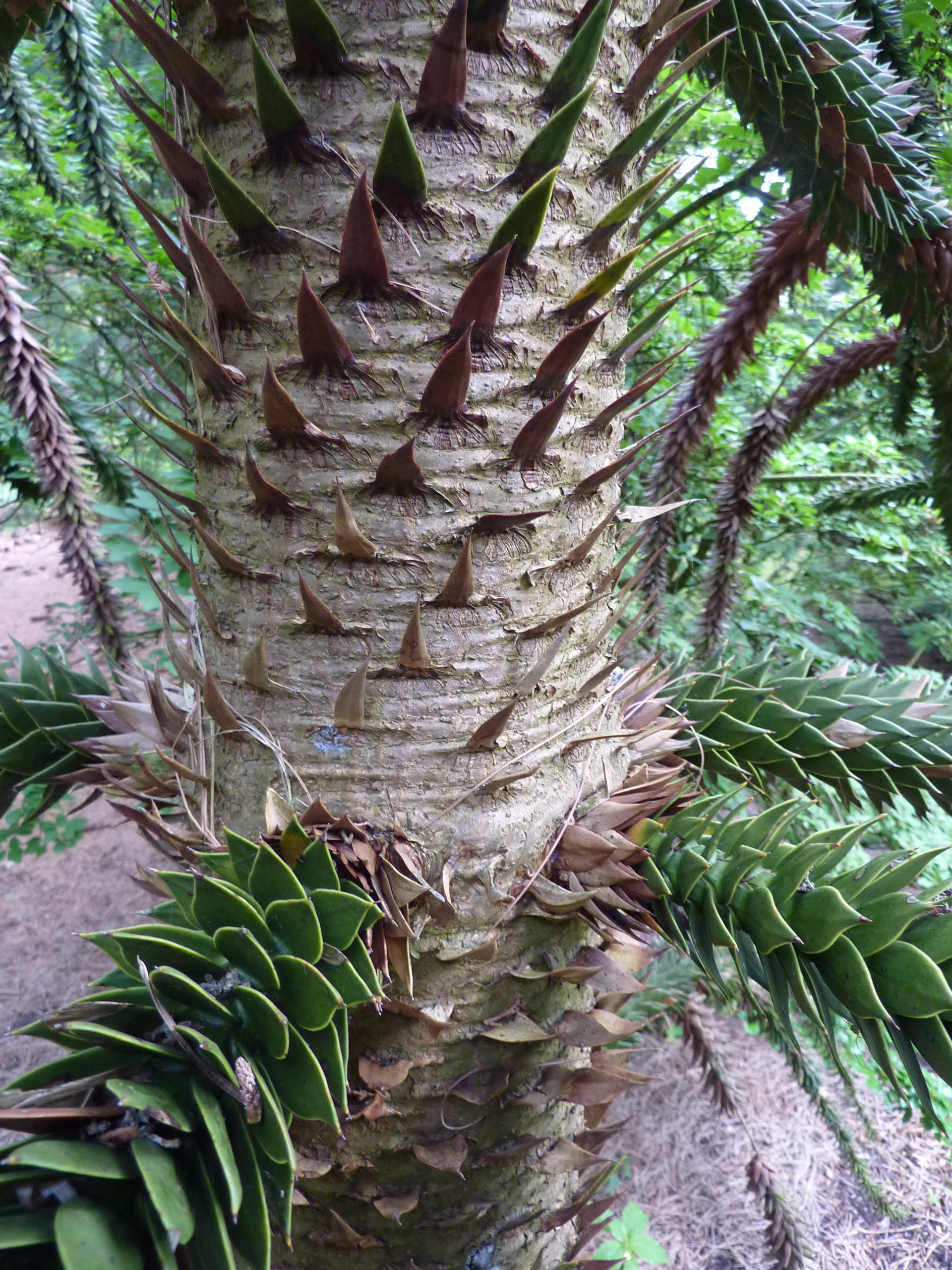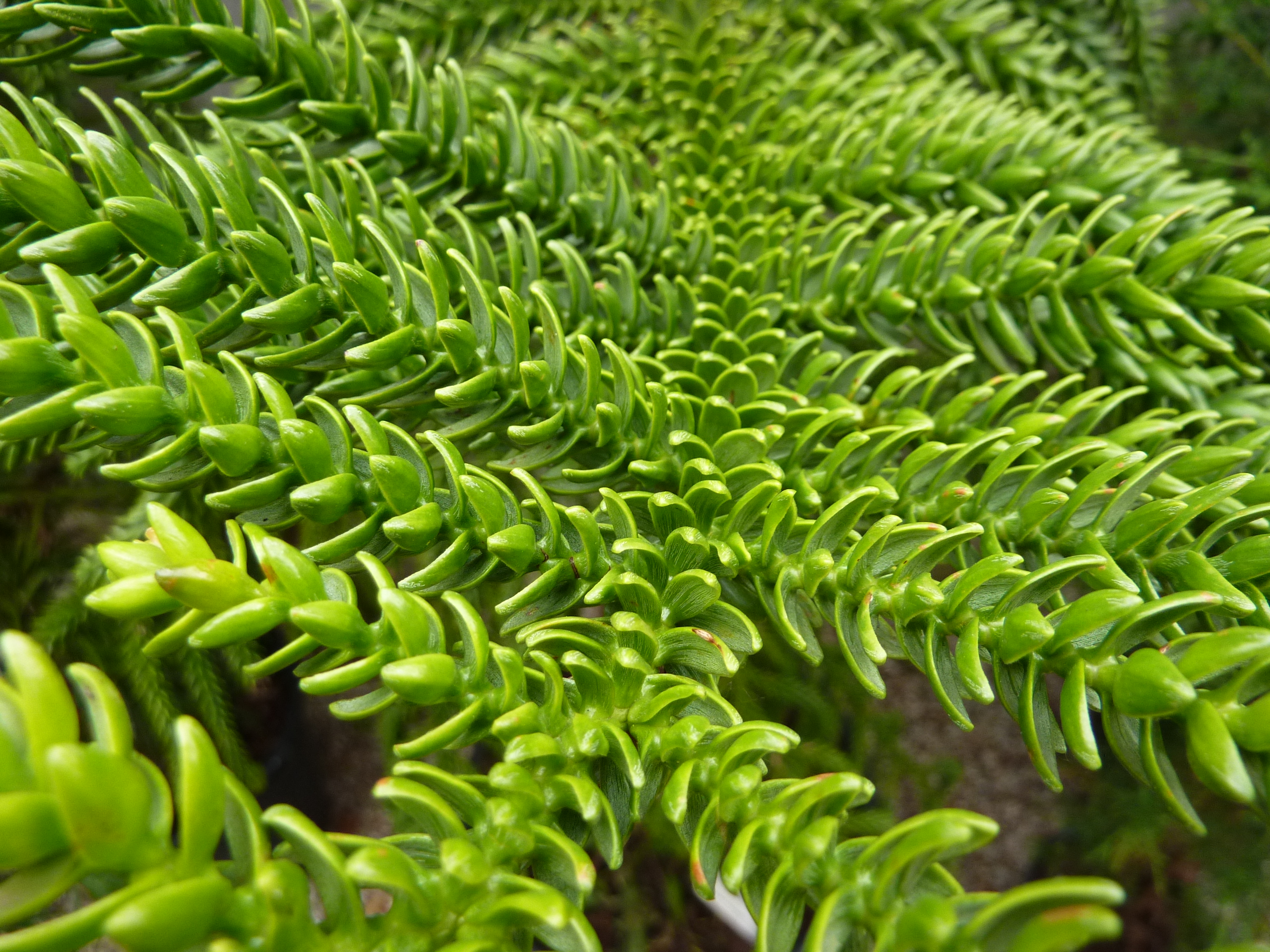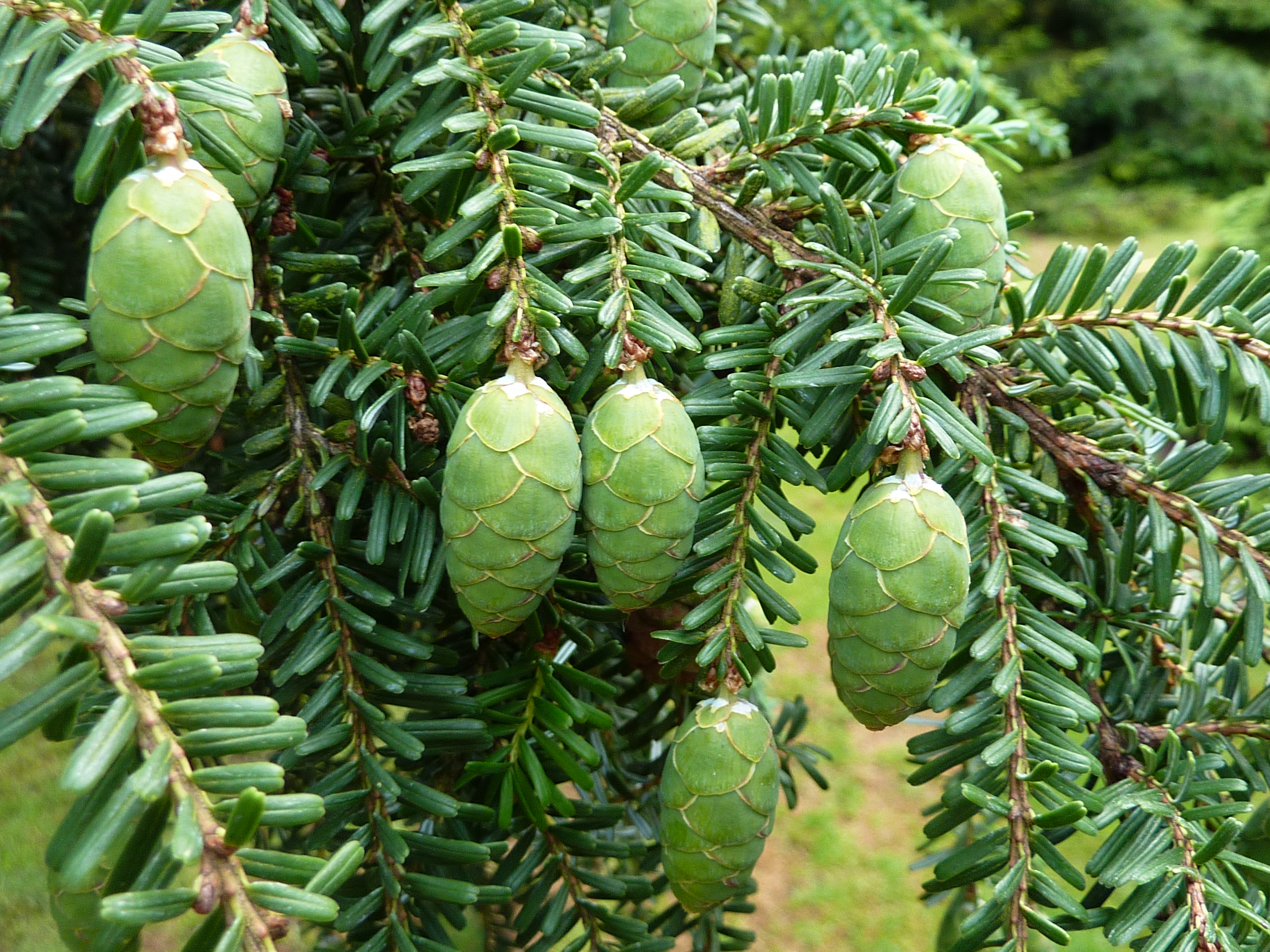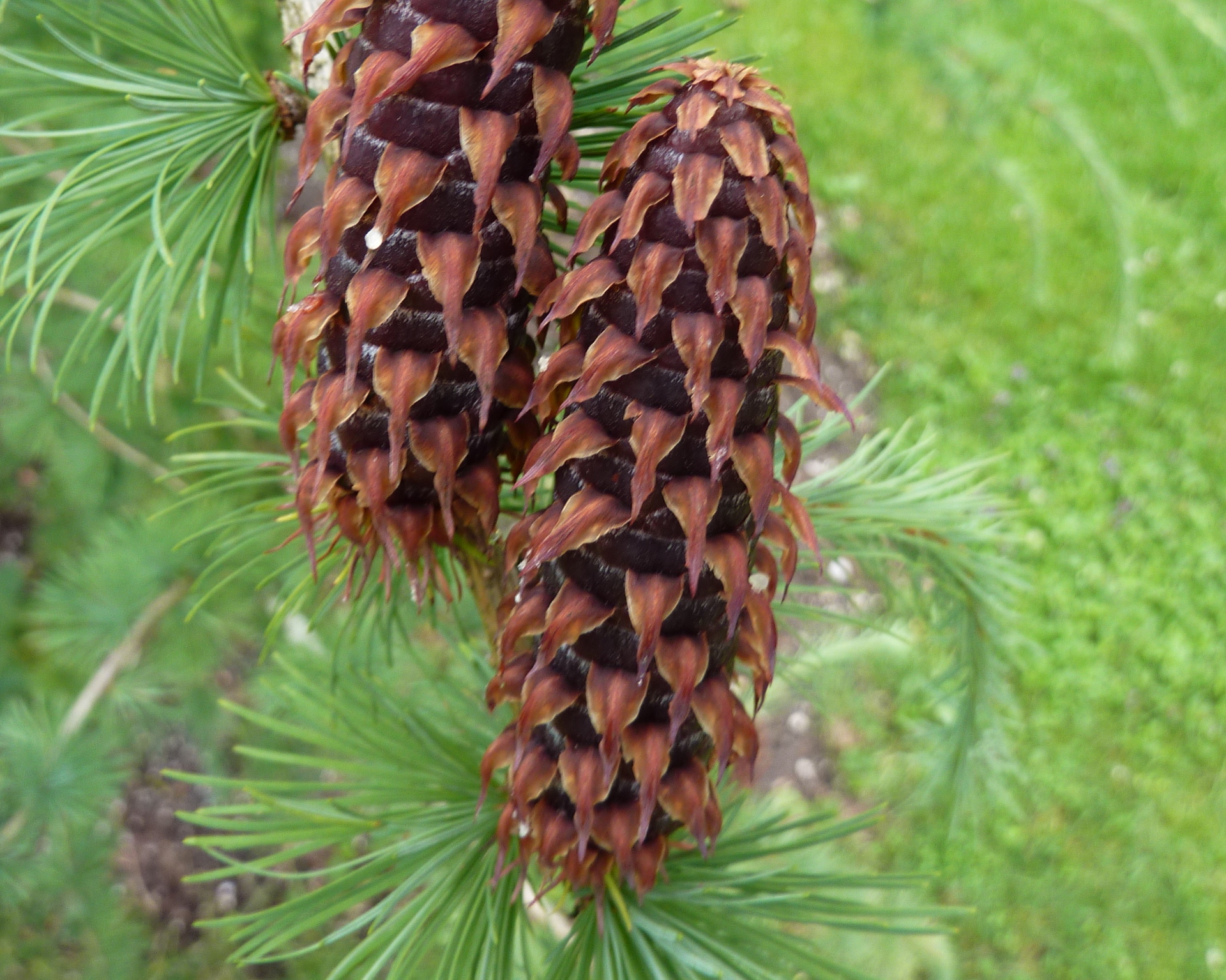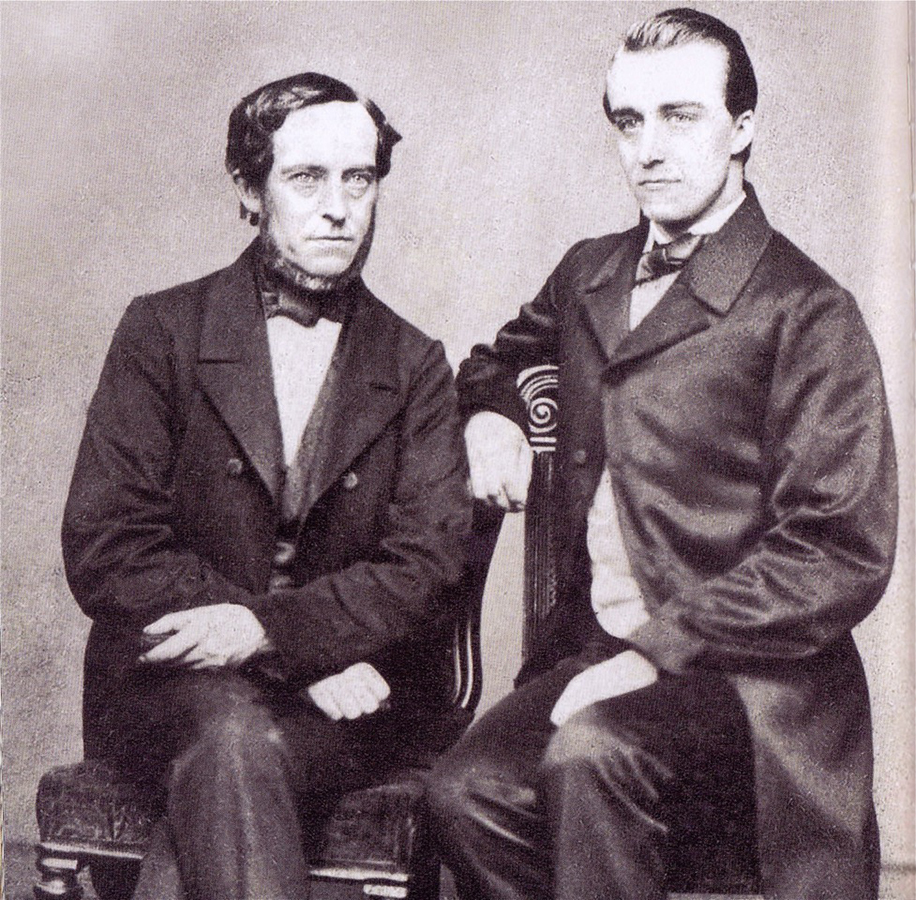
Pinetum Blijdenstein was founded by Benjamin Willem Blijdenstein. Blijdenstein was born in 1839 in the town of Enschede in the east of the Netherlands. His father was the founder of the Twentsche Bank in Amsterdam. When his father died in 1866, Benjamin took over the management of the bank. After living in Amsterdam for a while, he decided to move out to Hilversum, a small town that was just becoming popular as a country retreat for the wealthy middle classes escaping the smoky capital.
Blijdenstein bought a large piece of land on the outskirts of the town. He engaged the architect Izak Gosschalk to design his new mansion and lay out the grounds. The house, Villa Vogelenzang, in the then popular Neo-Renaissance style, was finished in 1883. It had a high, round tower from which you could see the Zuiderzee. It also had a large conservatory.
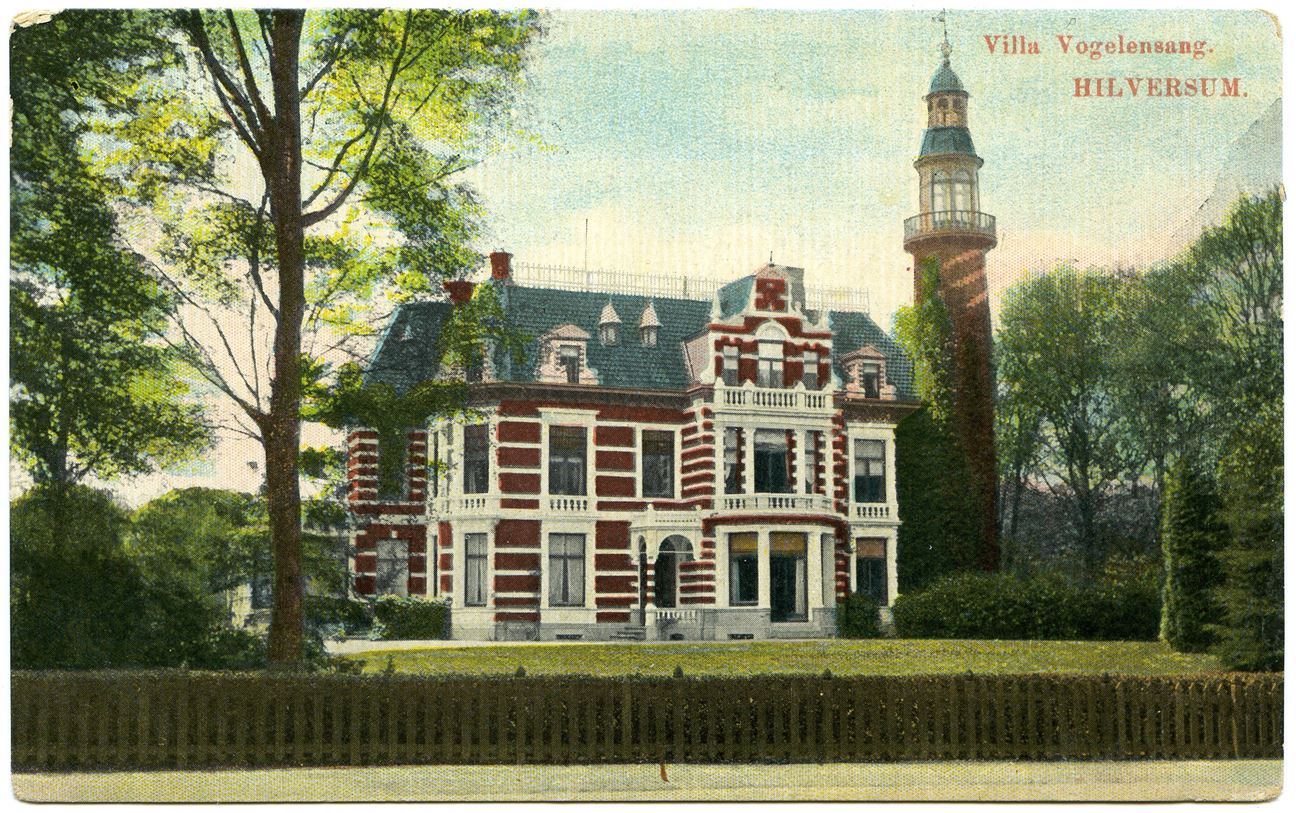
There was a formal garden near the house, and the rest of the grounds were laid out in landscape style. Blijdenstein reserved two acres of his estate (between what is now Jonkerweg and Van der Lindenlaan) for a collection of exotic plants and trees. His interest in botanical gardens had been aroused while he was working in London and got to know the director of Kew Gardens, the British royal botanical gardens.
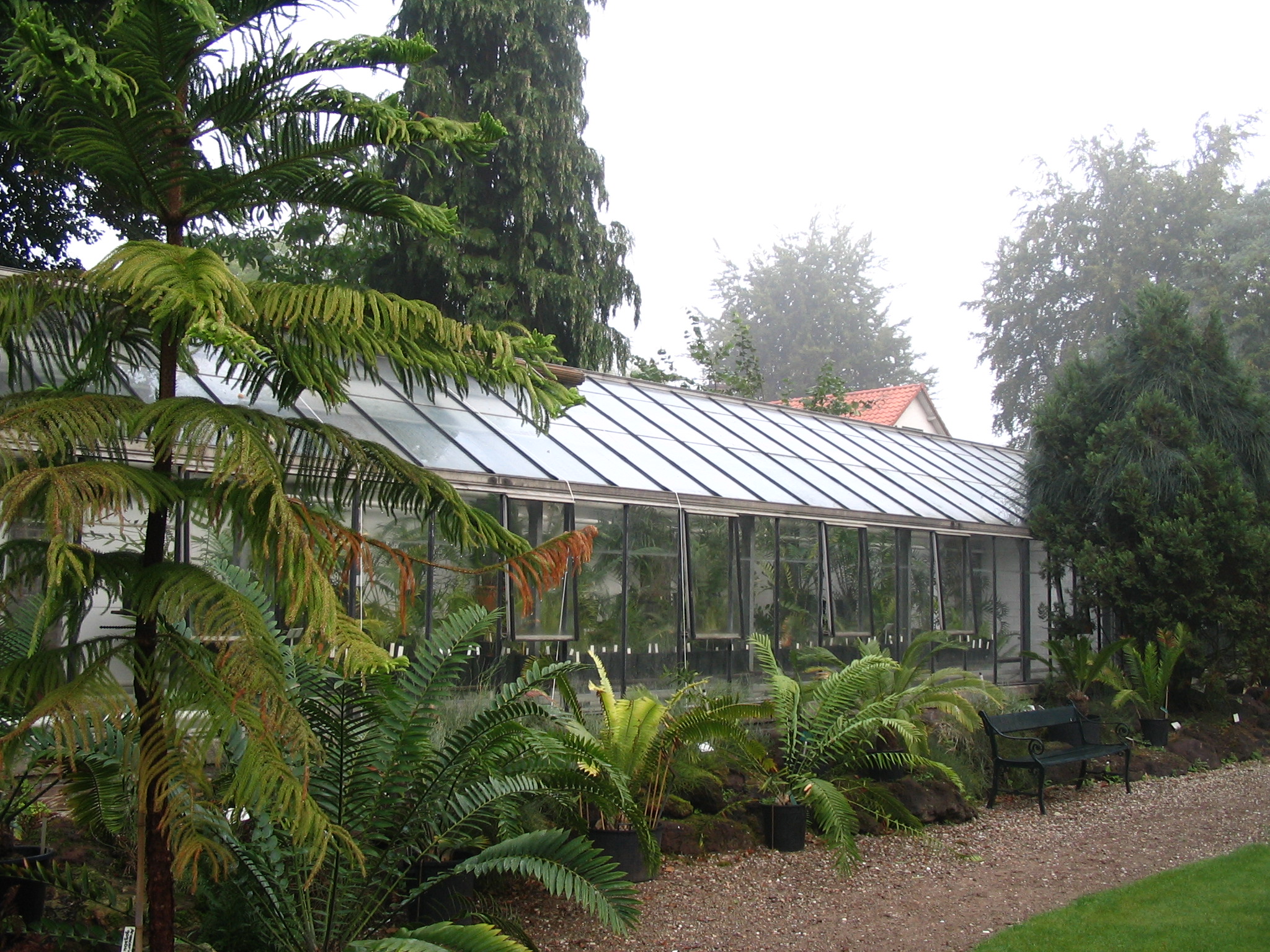
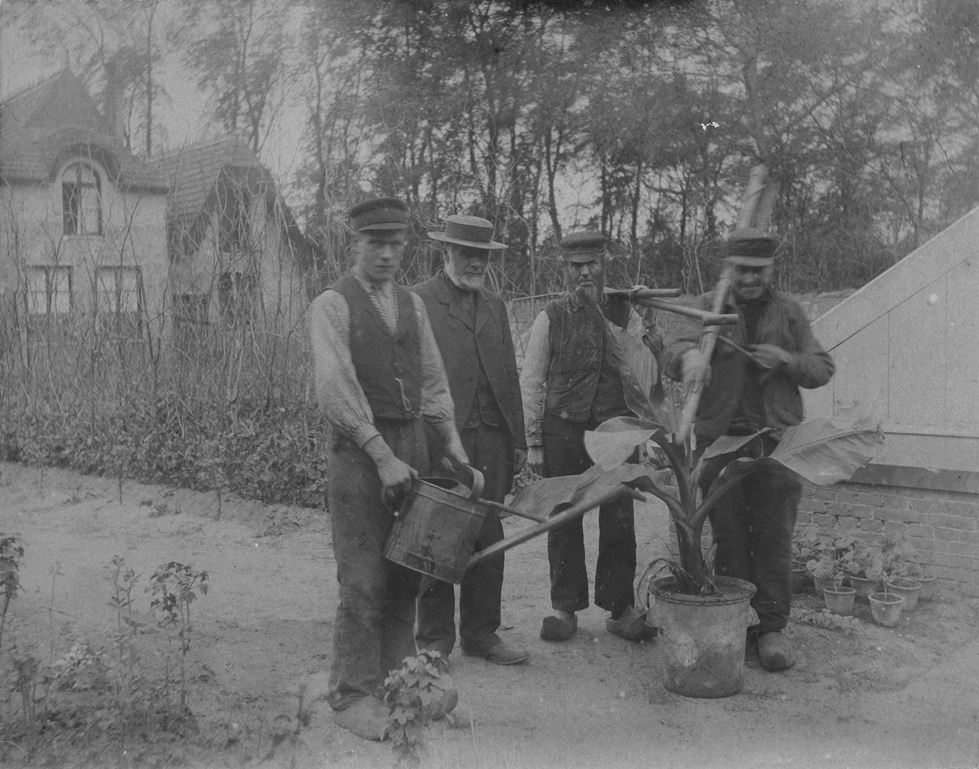
Initially, the part of the garden bordering on Van der Lindenlaan was a fruit and vegetable garden, with greenhouses for growing exotic fruits. It was surrounded on two sides by a wall for fruit to grow up: it was a double wall, so that it held the warmth of the sun.

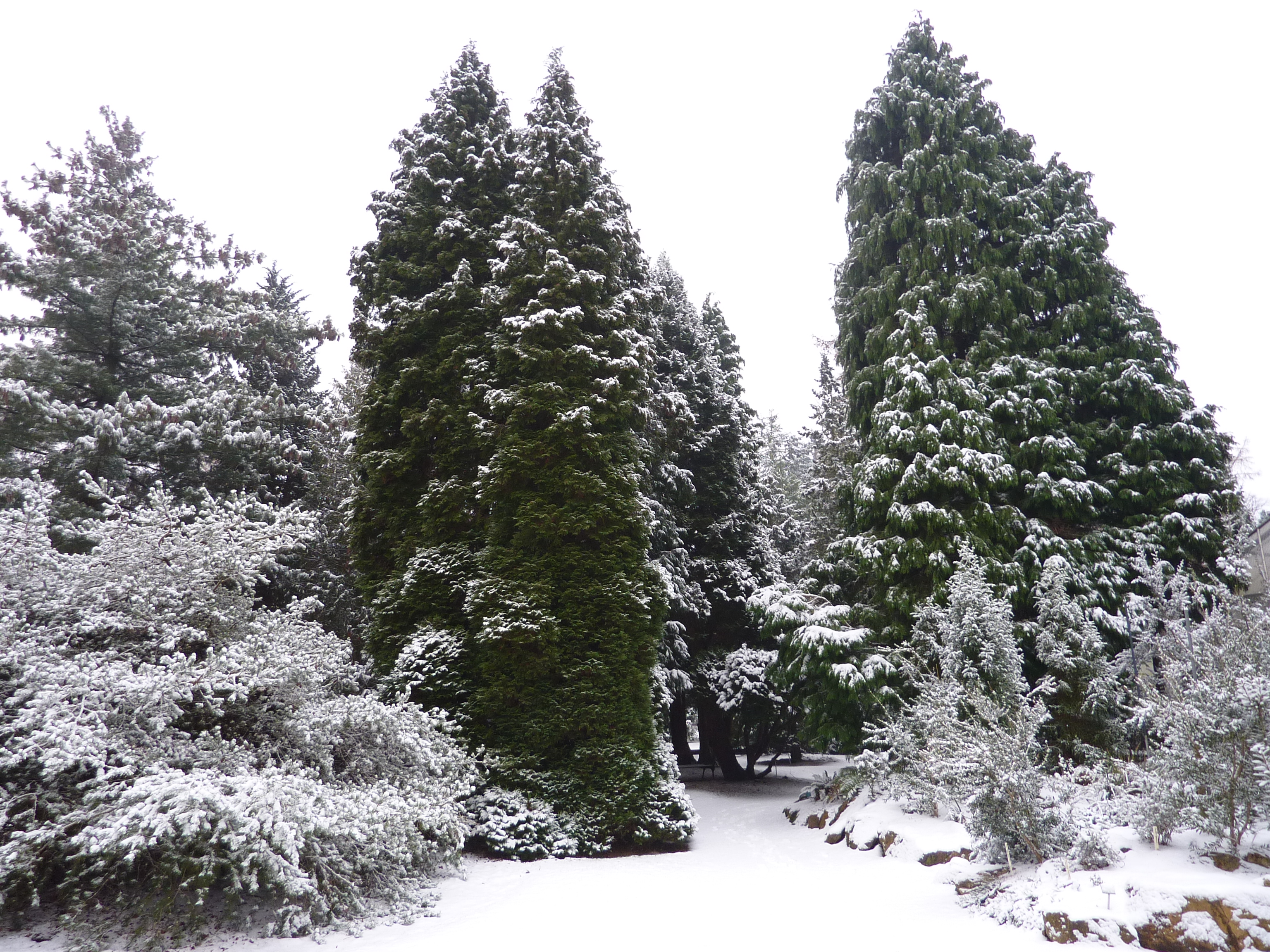
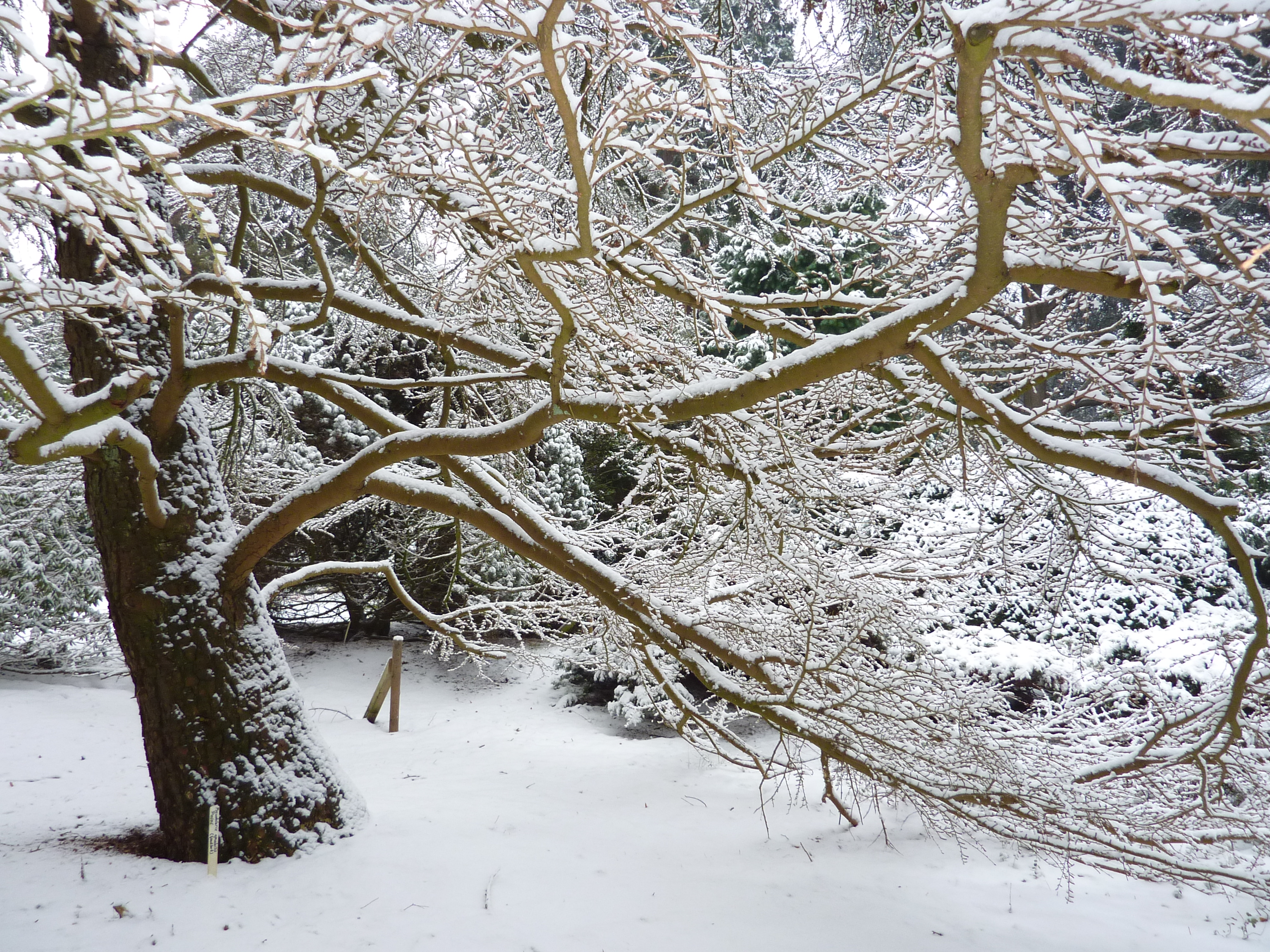
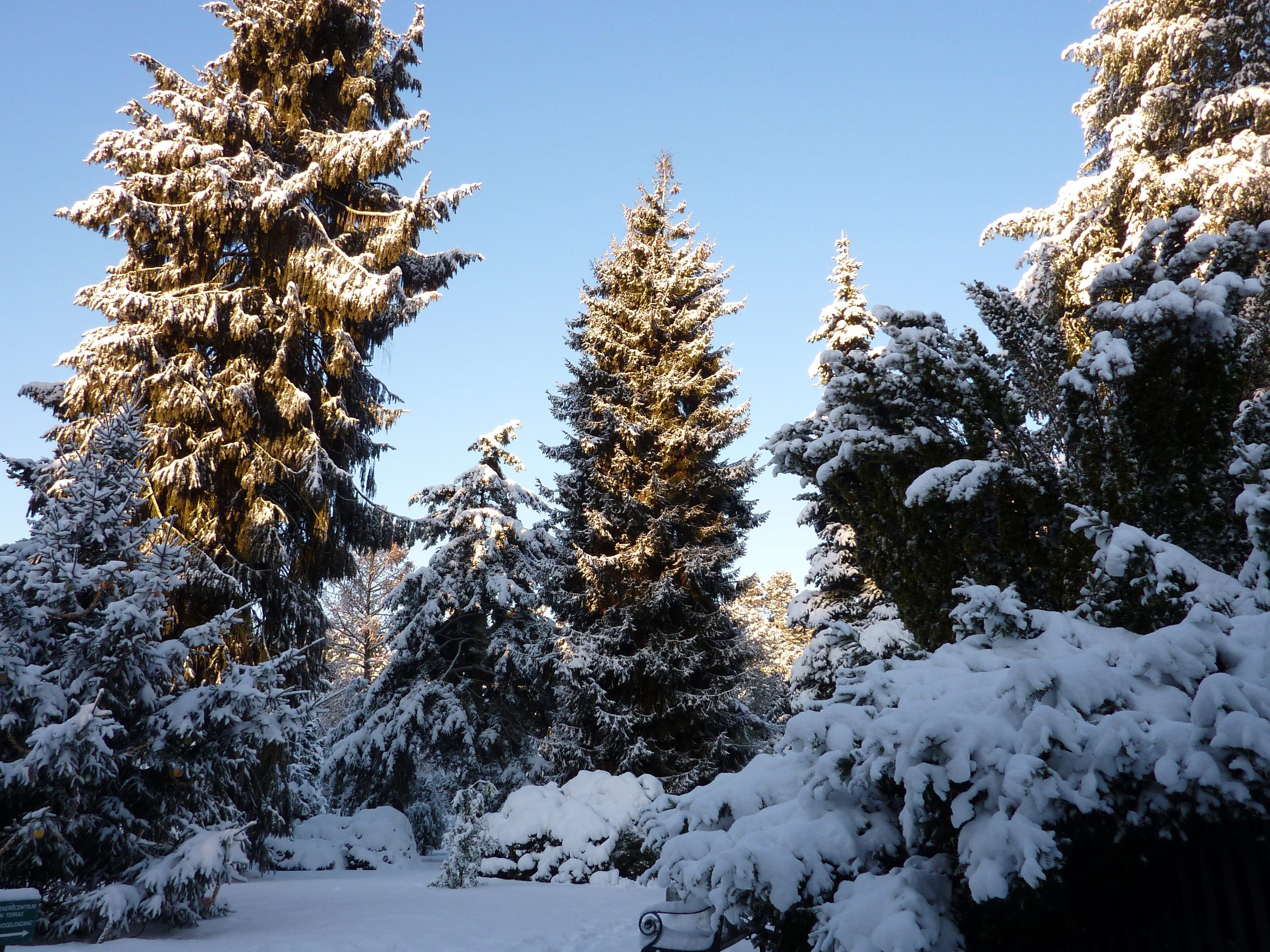
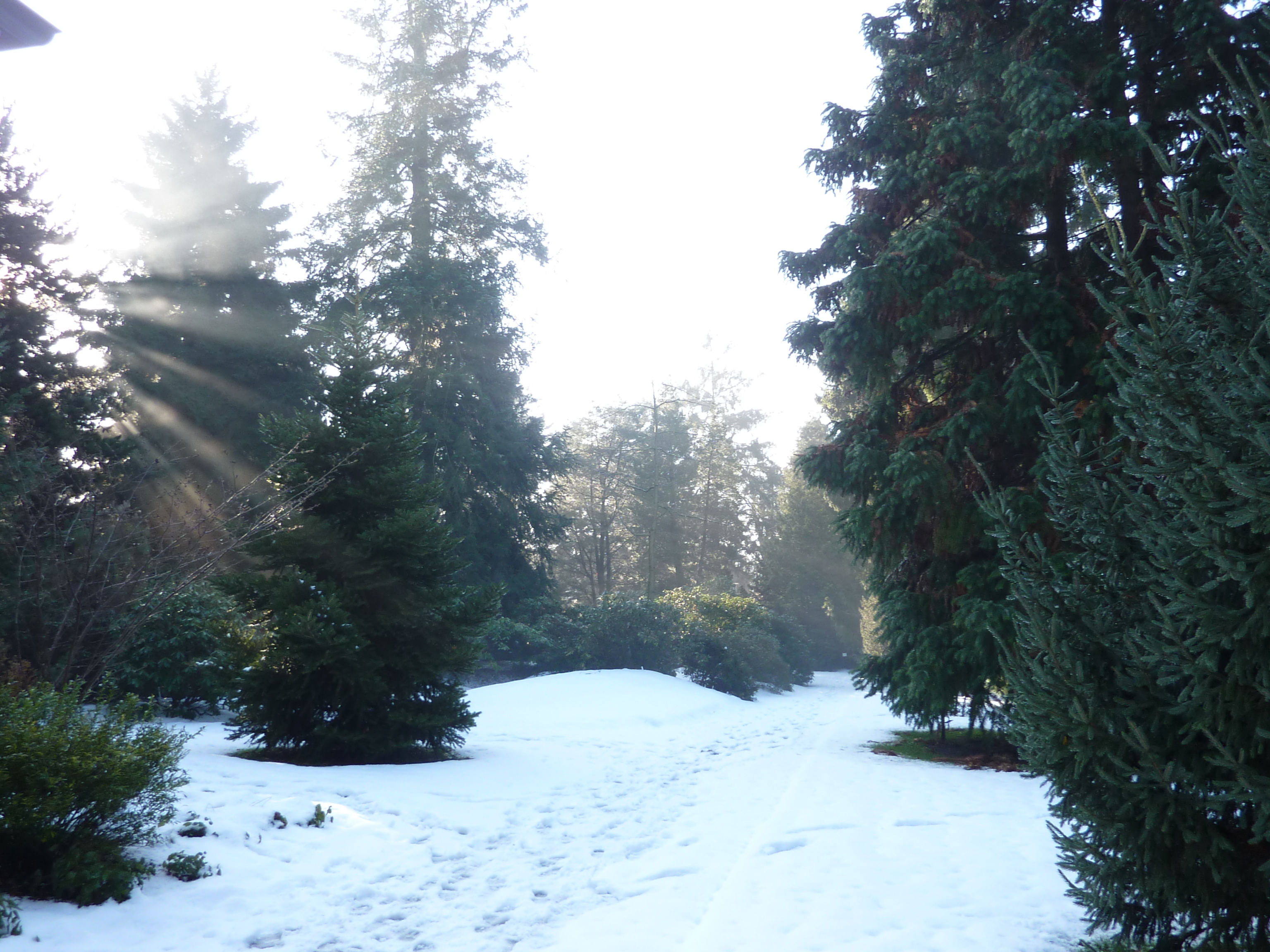
In 1909, Benjamin Blijdenstein had a pinetum designed in the English landscape style by the landscape architect Hendrik Copijn. The garden was laid out with meandering paths, to give an impression of endlessness and to create surprise effects.
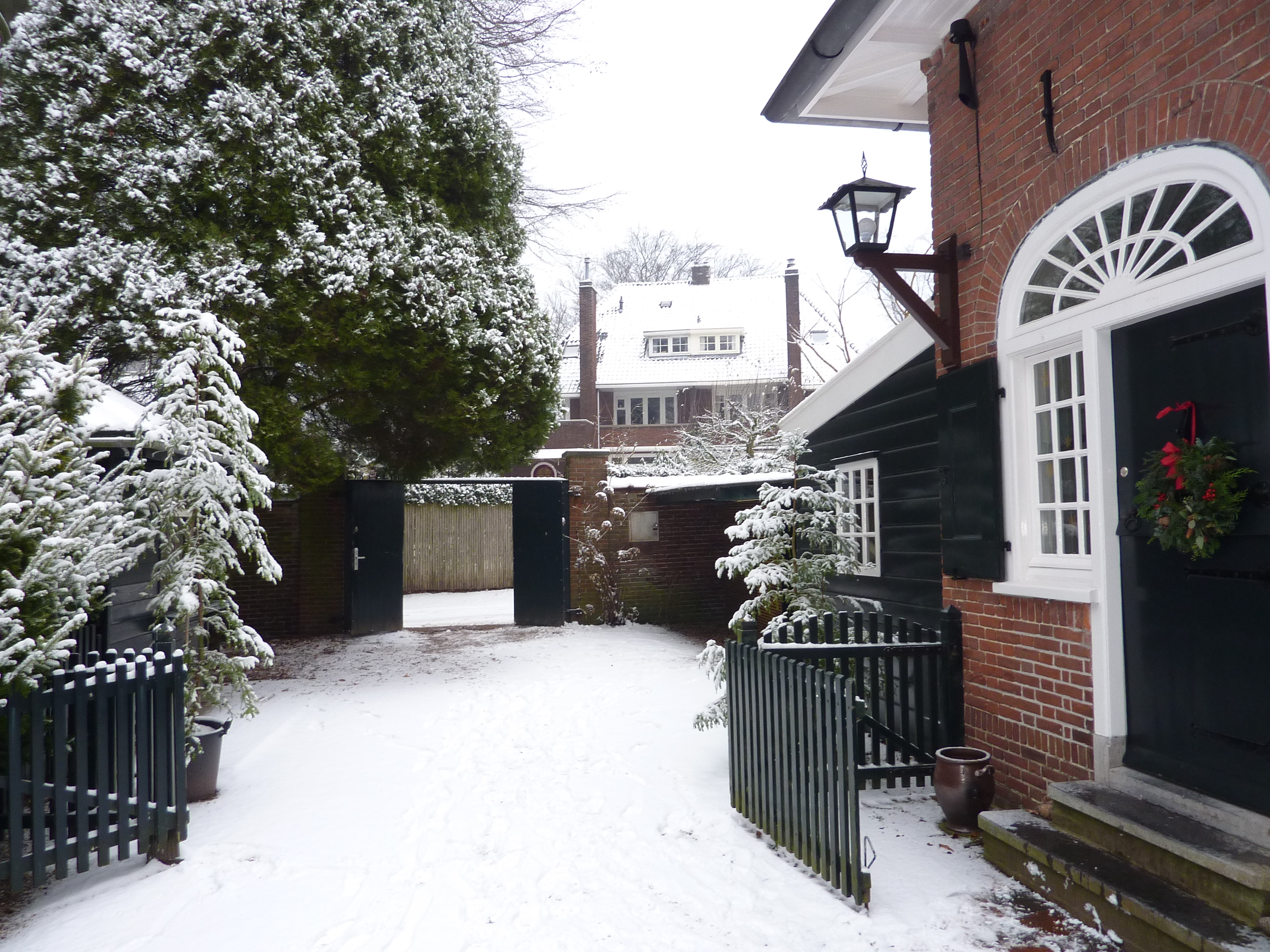
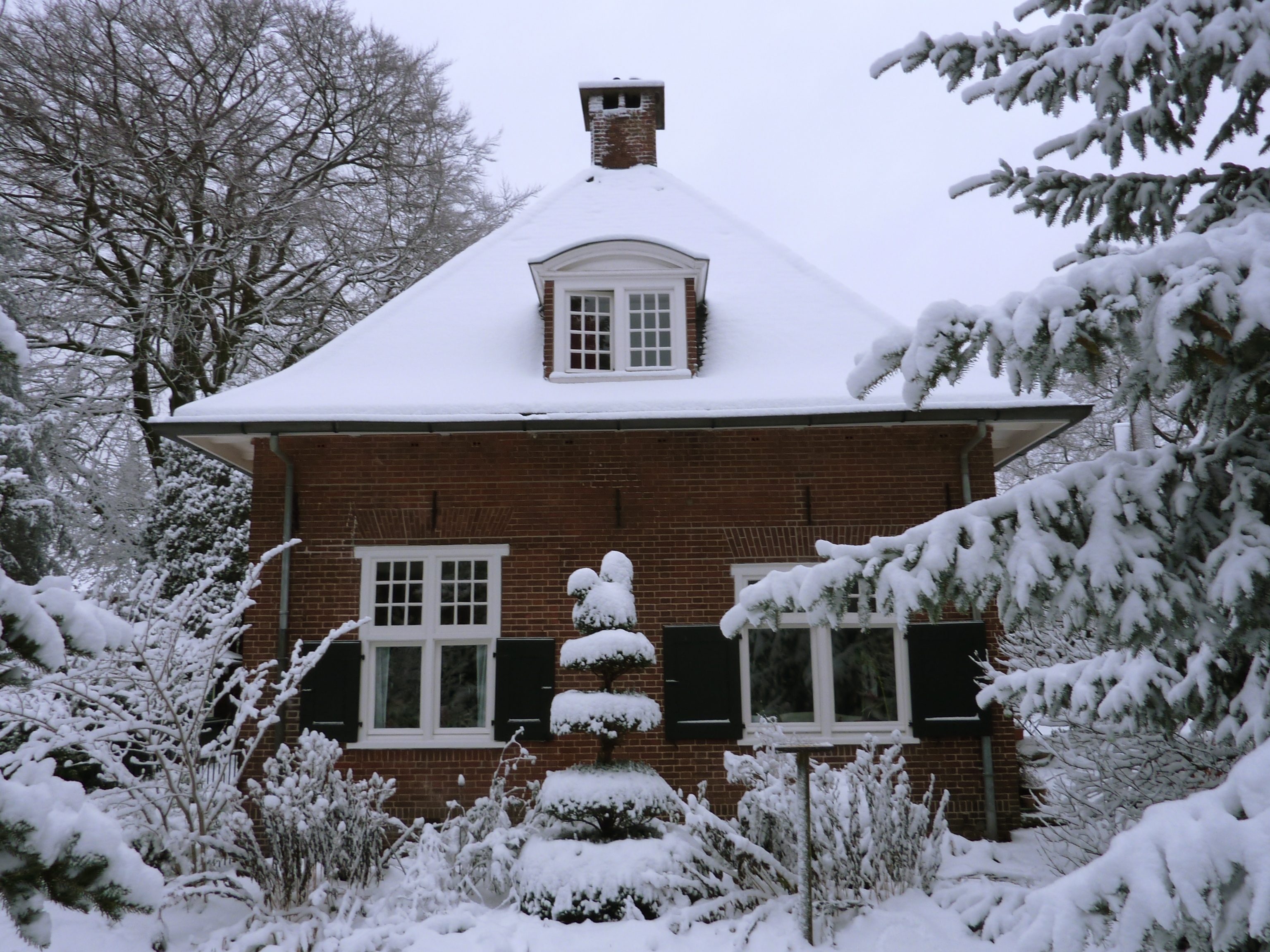
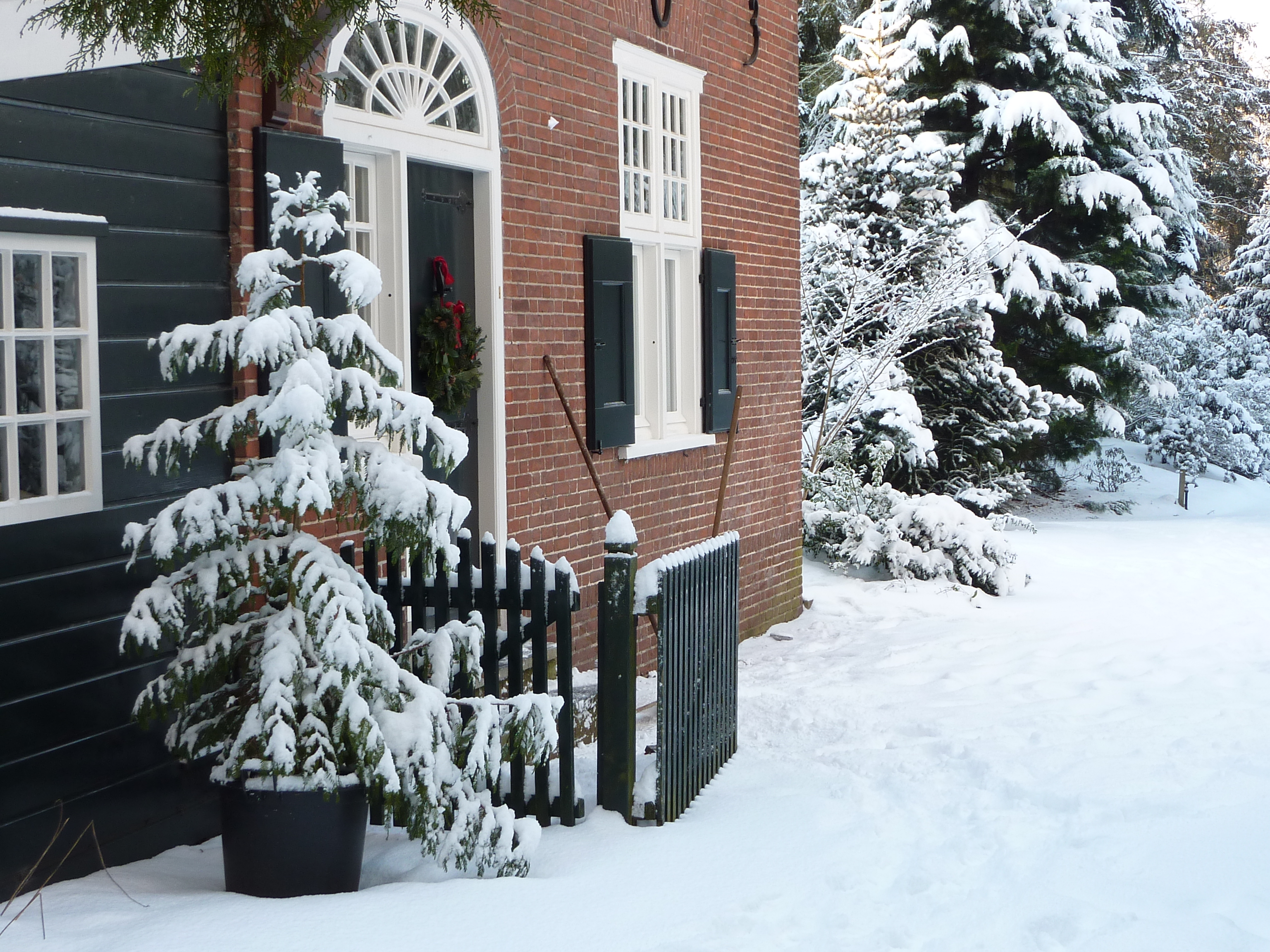
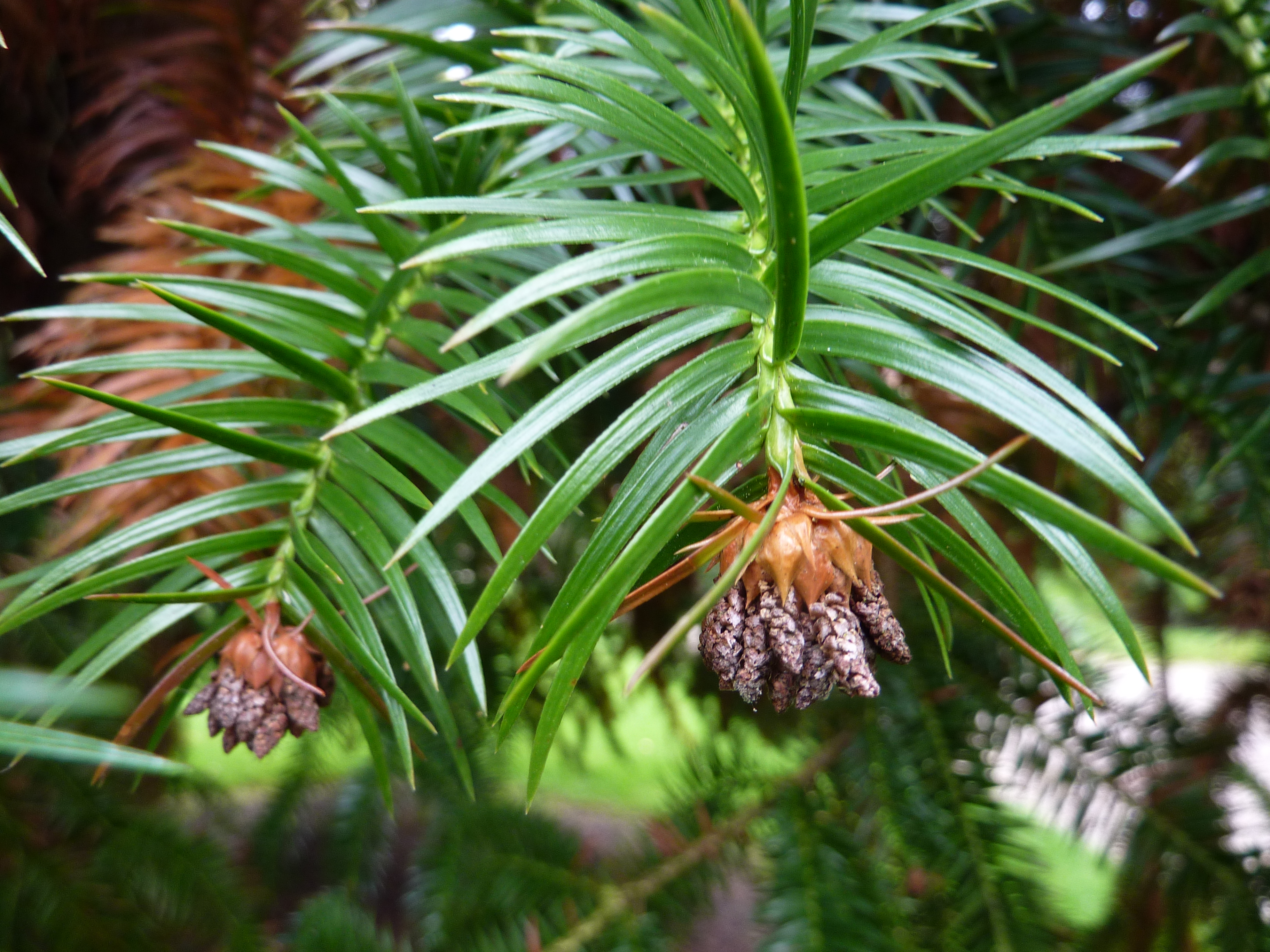
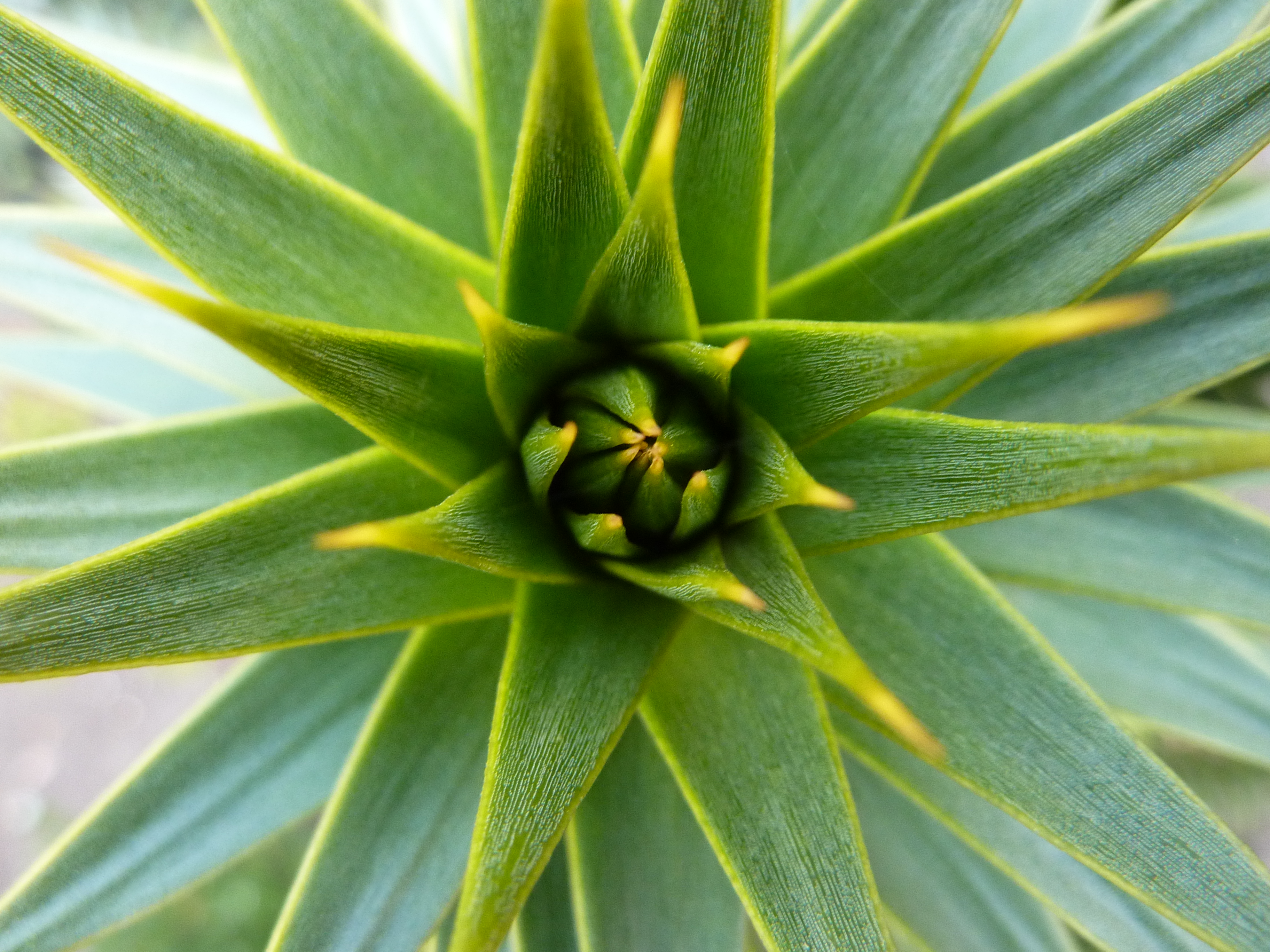
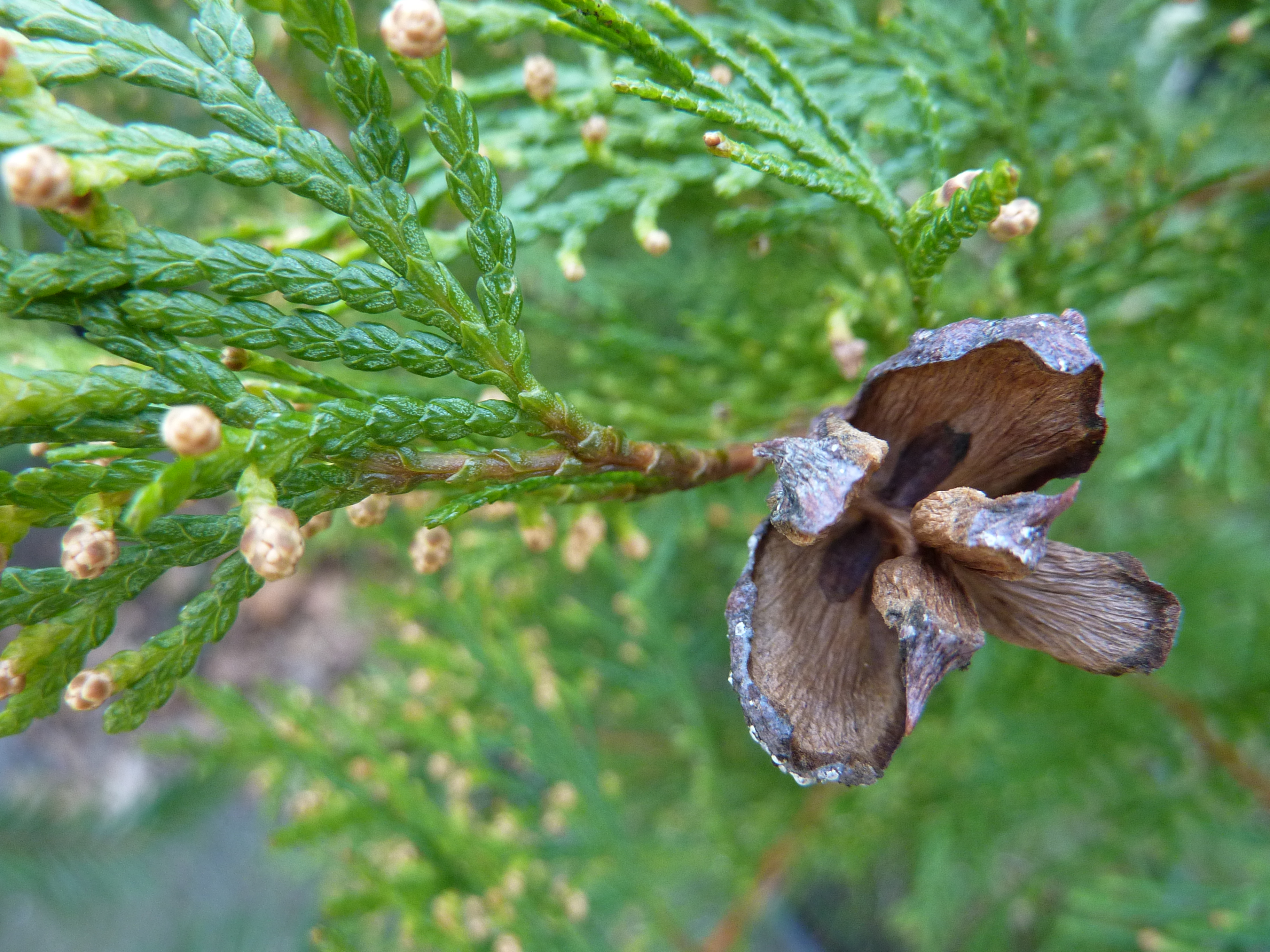
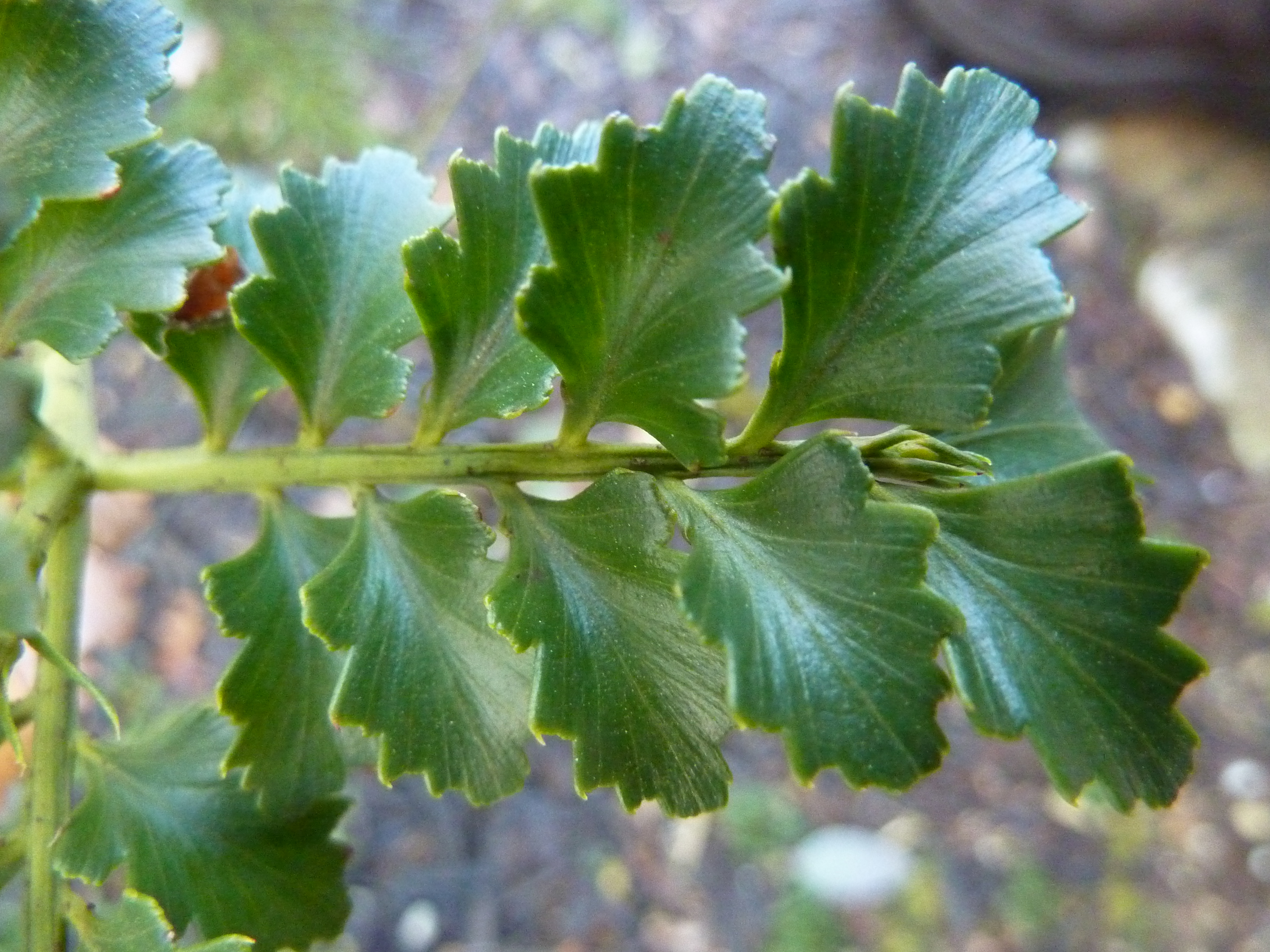
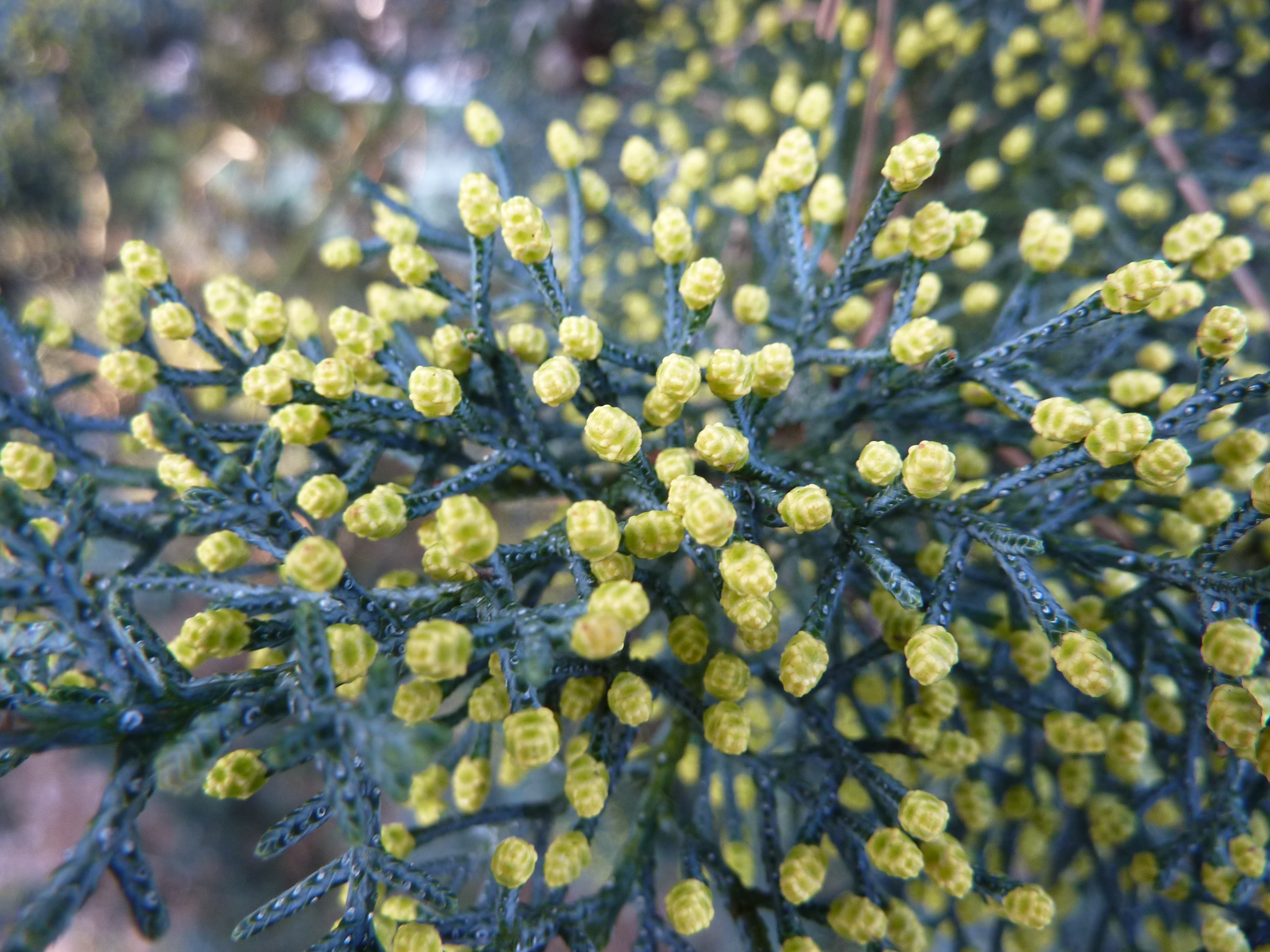
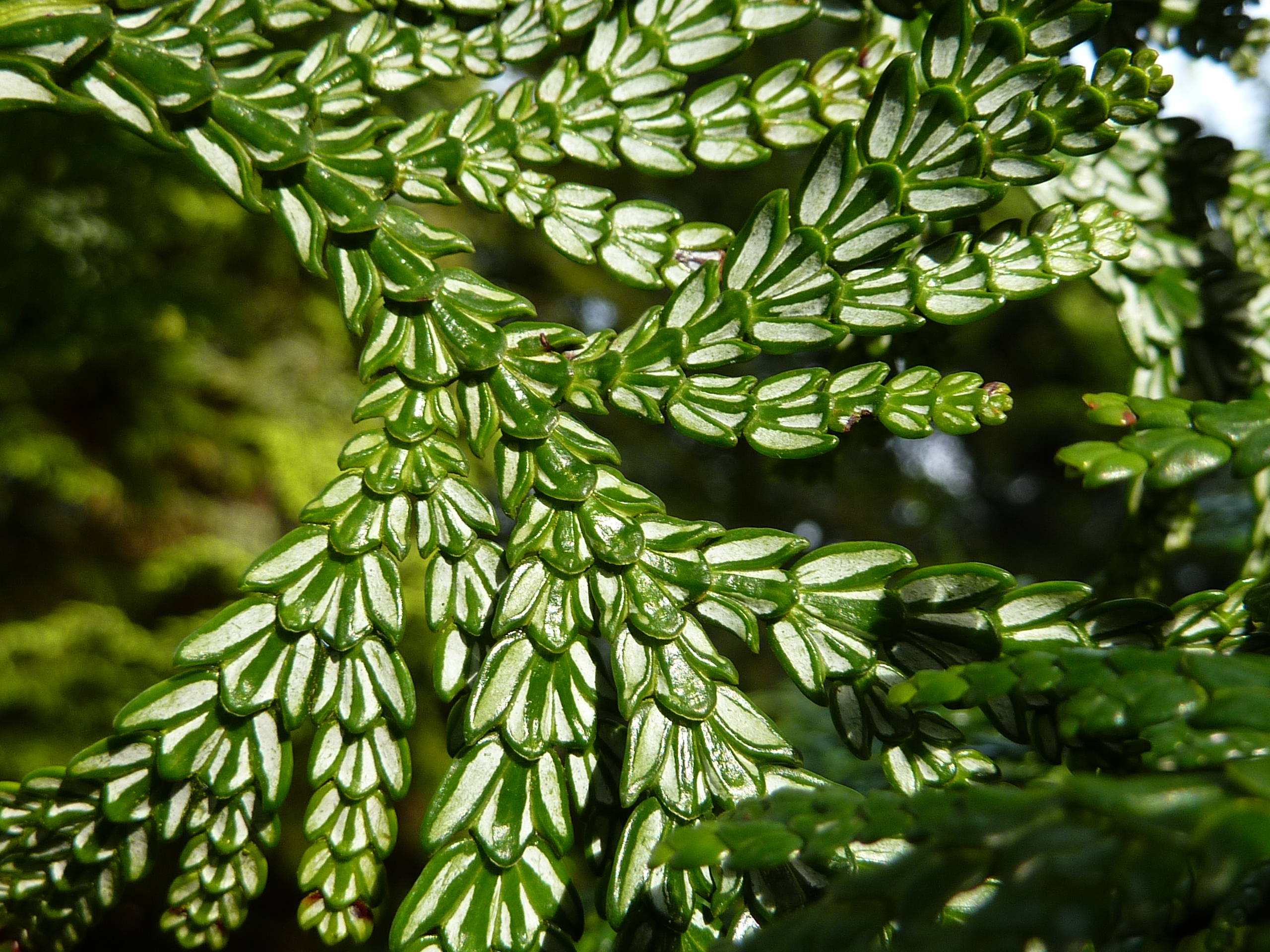
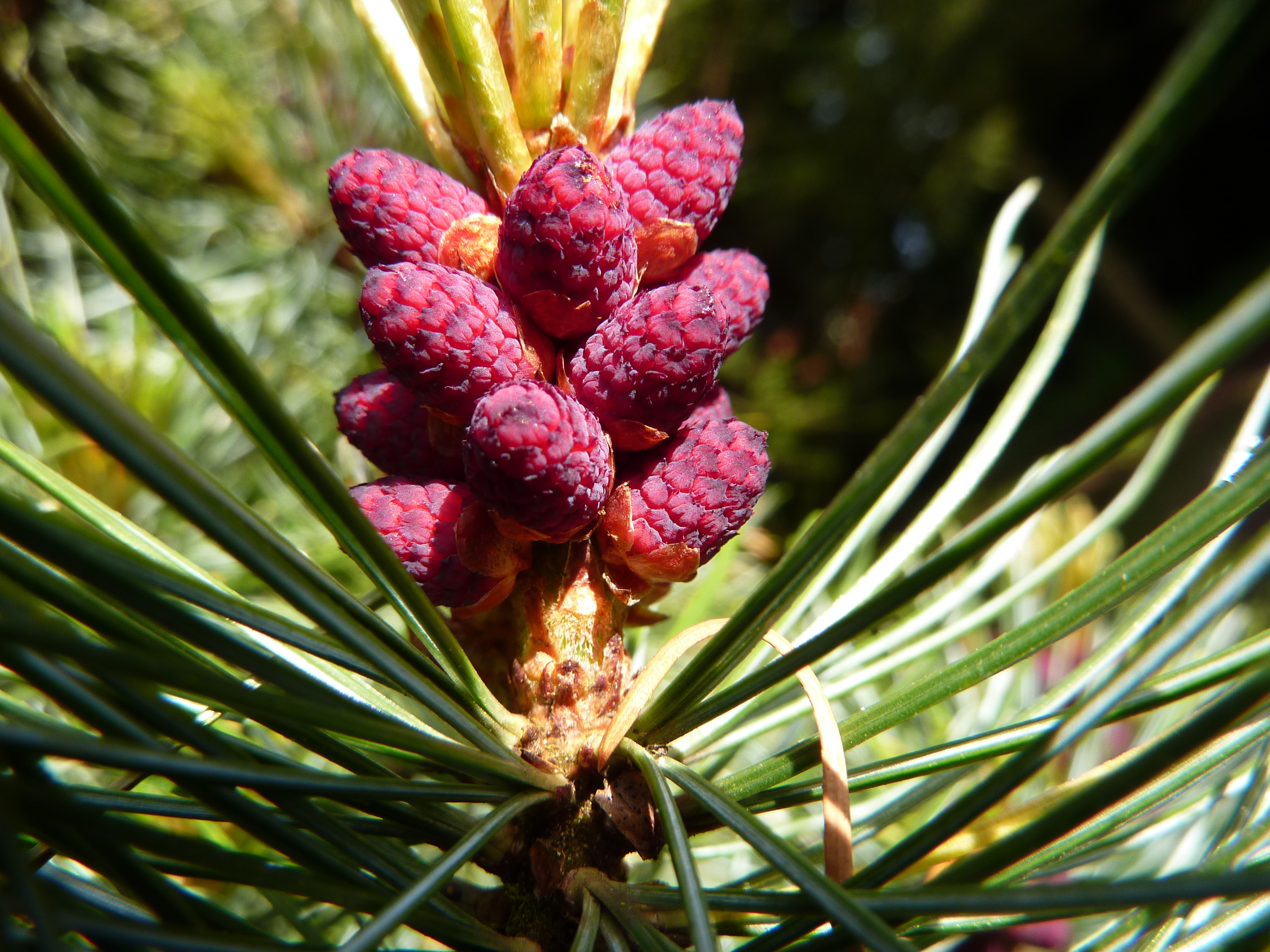
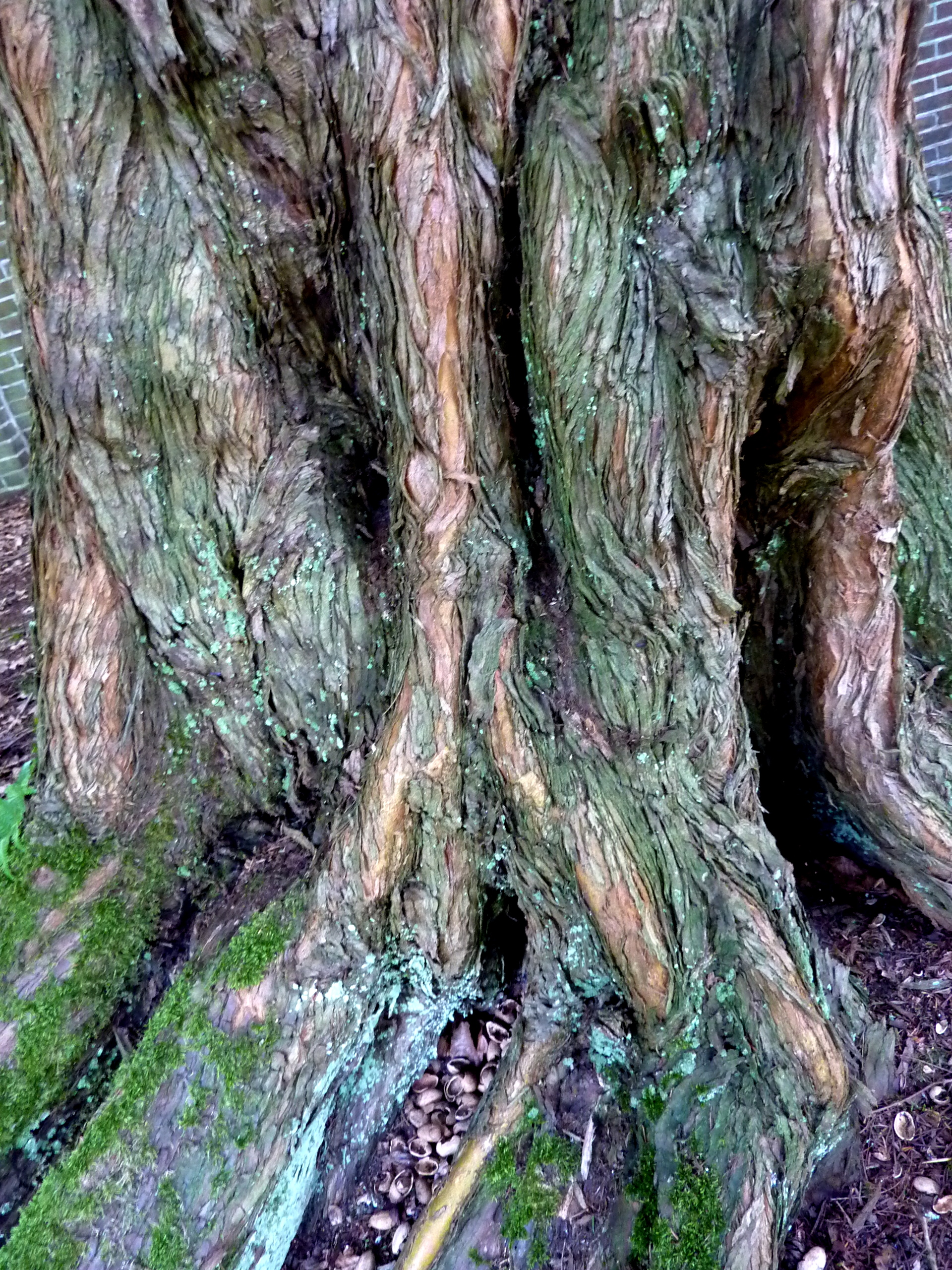
Blijdenstein stayed in close contact with Kew Gardens and exchanged seeds and trees. He regularly sent his gardener to London to learn the tricks of the trade. His aim was to set up a conifer collection that was as complete as possible. In 1903, he assigned the architect Johan Wilhelm Hanrath to design a house for his head gardener. This house is now the Warden's Lodge in the Pinetum.
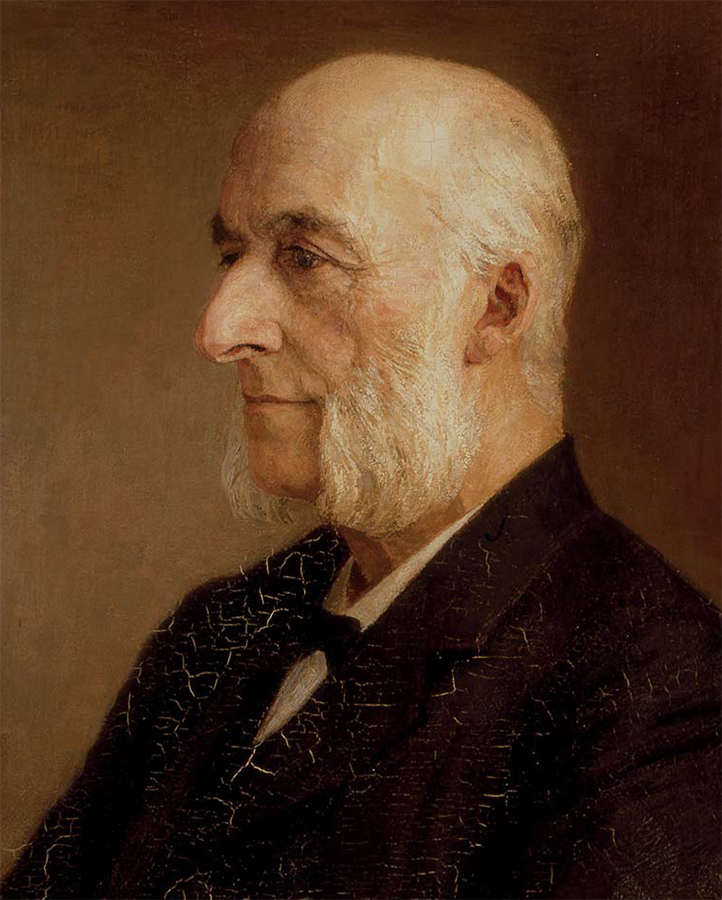
Besides being a banker and a collector of conifers, Blijdenstein was also a well-known figure in Hilversum, being a local councillor for a number of years and founder of a school (now Roland Holst College on Schuttersweg) and an old people’s home. He was honoured by the town when he died in 1914.
After his death, the family had difficulty in maintaining the estate, so in 1928, it was sold to a property development company, which divided it up into lots and built houses on it. If you stroll around outside the Pinetum, you will see Laan van Vogelenzang, a street which still has some of the old trees of the original estate. No one was interested in buying the big house, so it was demolished.
The Pinetum was not included in the land transfer. Under the terms of Blijdenstein’s will, this part of the garden was to be kept as a scientific institute. The family offered the Pinetum first to the town, and then to the agricultural university at Wageningen – but in vain. Eventually, in 1929, the garden was donated to Amsterdam, the location of the head office of the Twentsche Bank. The Amsterdam City Council arranged for it to be managed as part of the botanical gardens of the University of Amsterdam. The terms of the gift state that the land would always remain in use as a Pinetum, and that if the Pinetum were ever to close, ownership would revert to the Blijdenstein family.
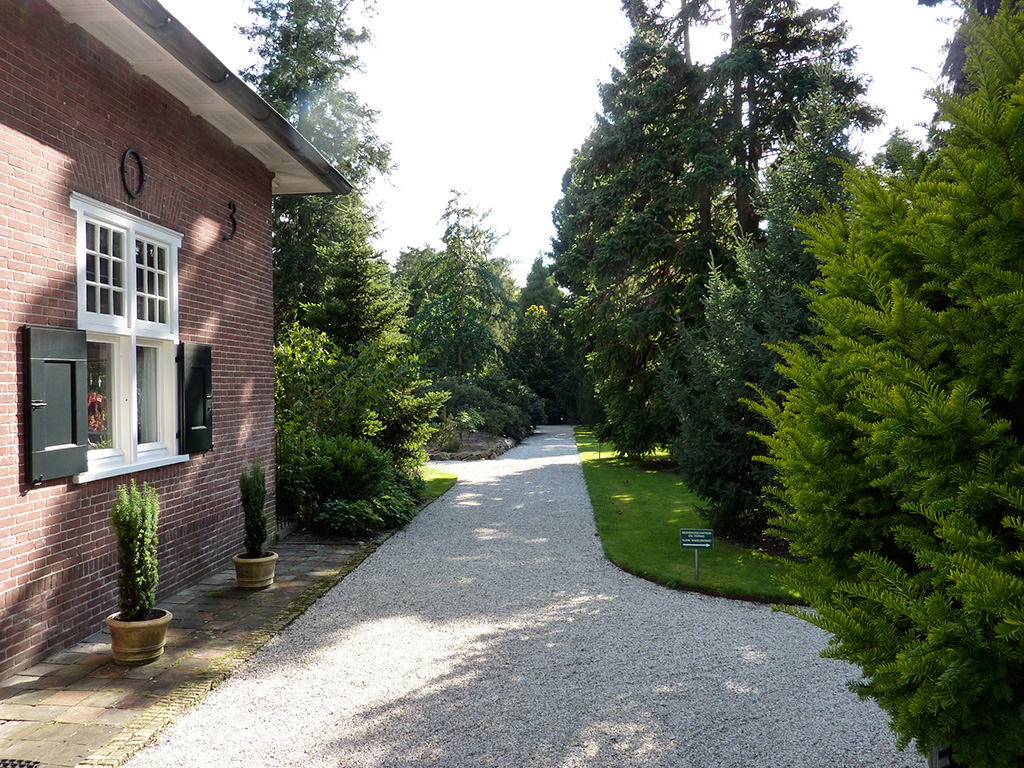
As part of the botanical gardens of the University of Amsterdam, the Pinetum, small though it was (3.5 acres, or 1.49 ha), played an important role in the university’s scientific research for many years.
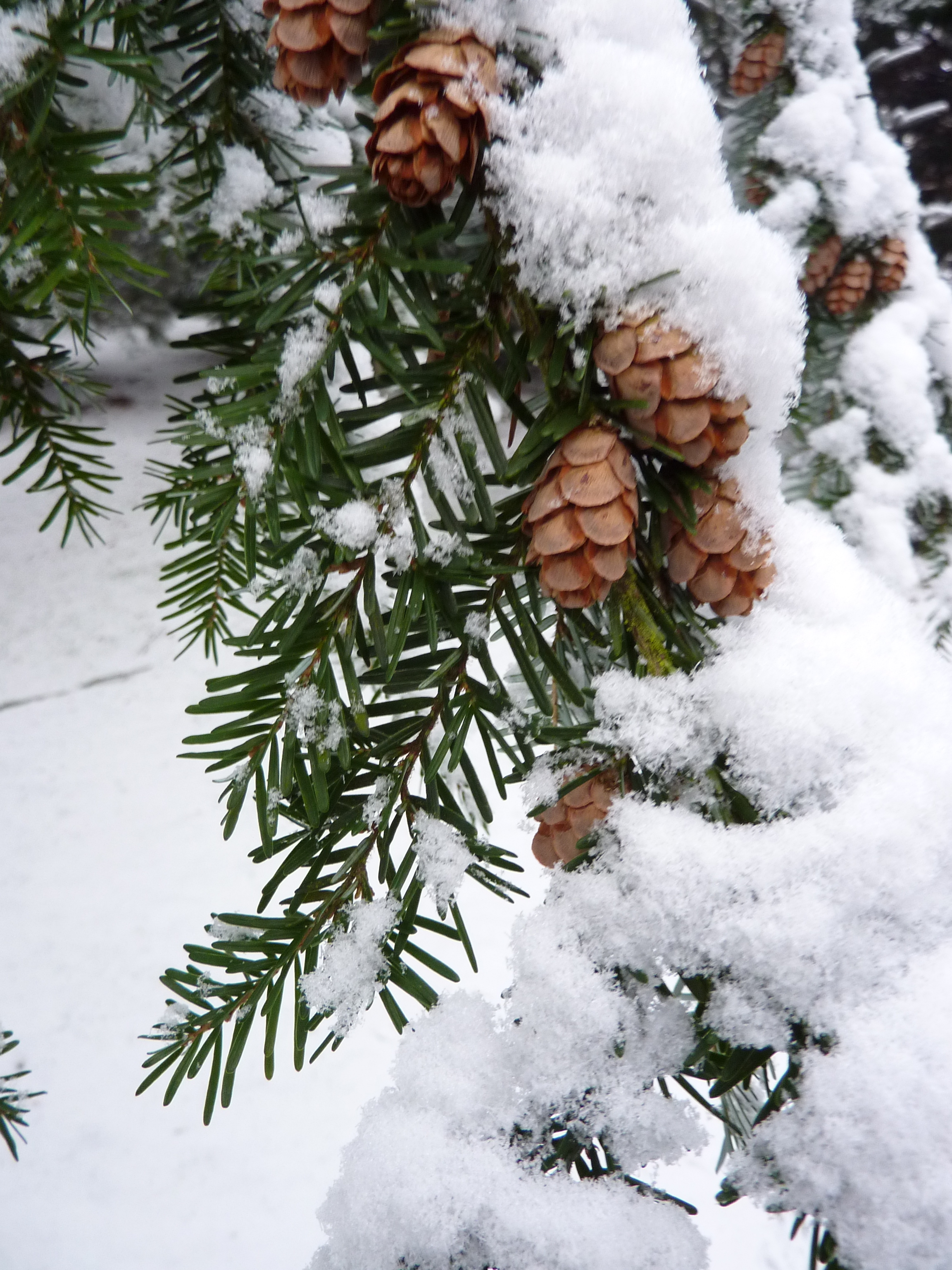
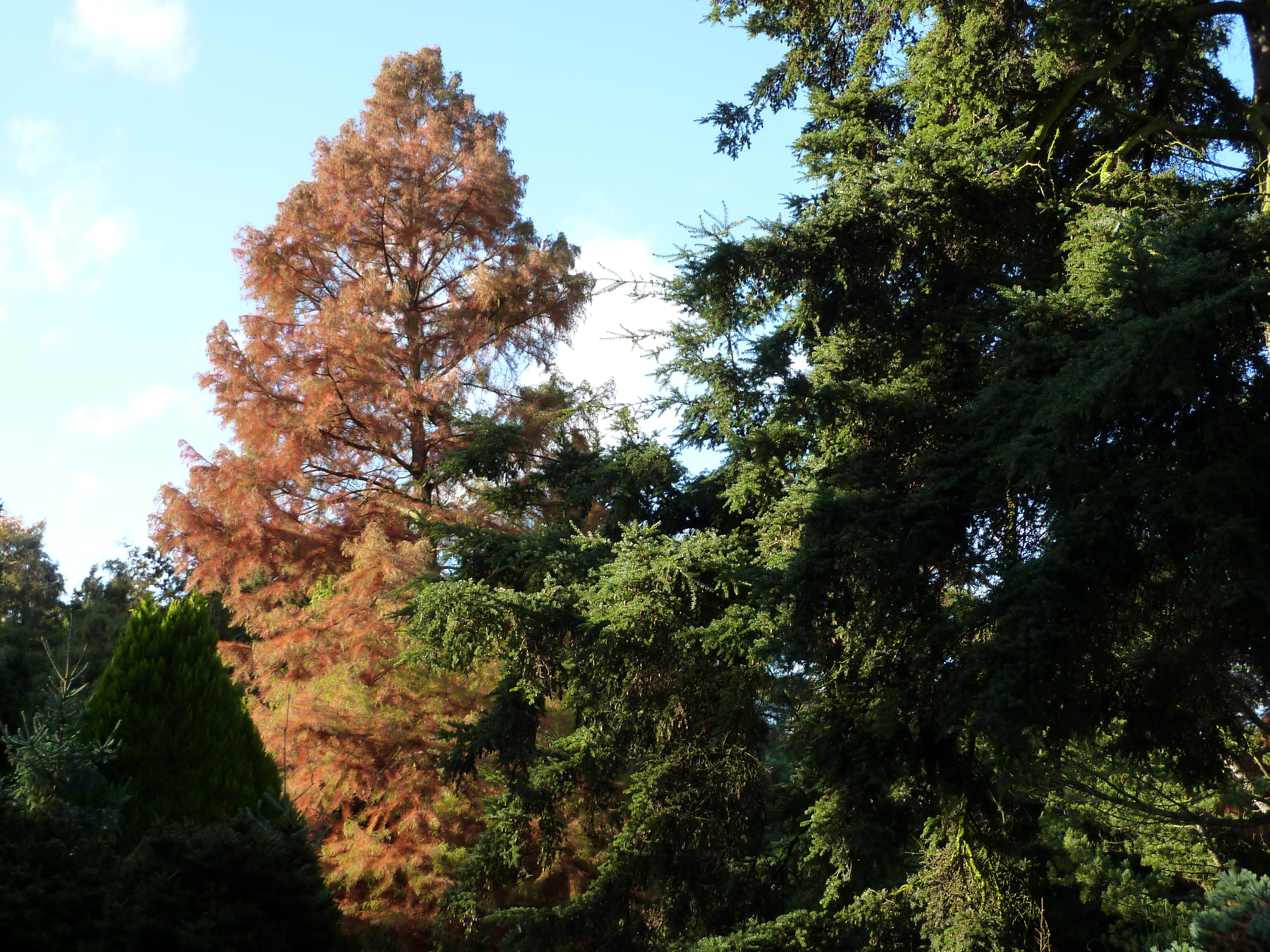
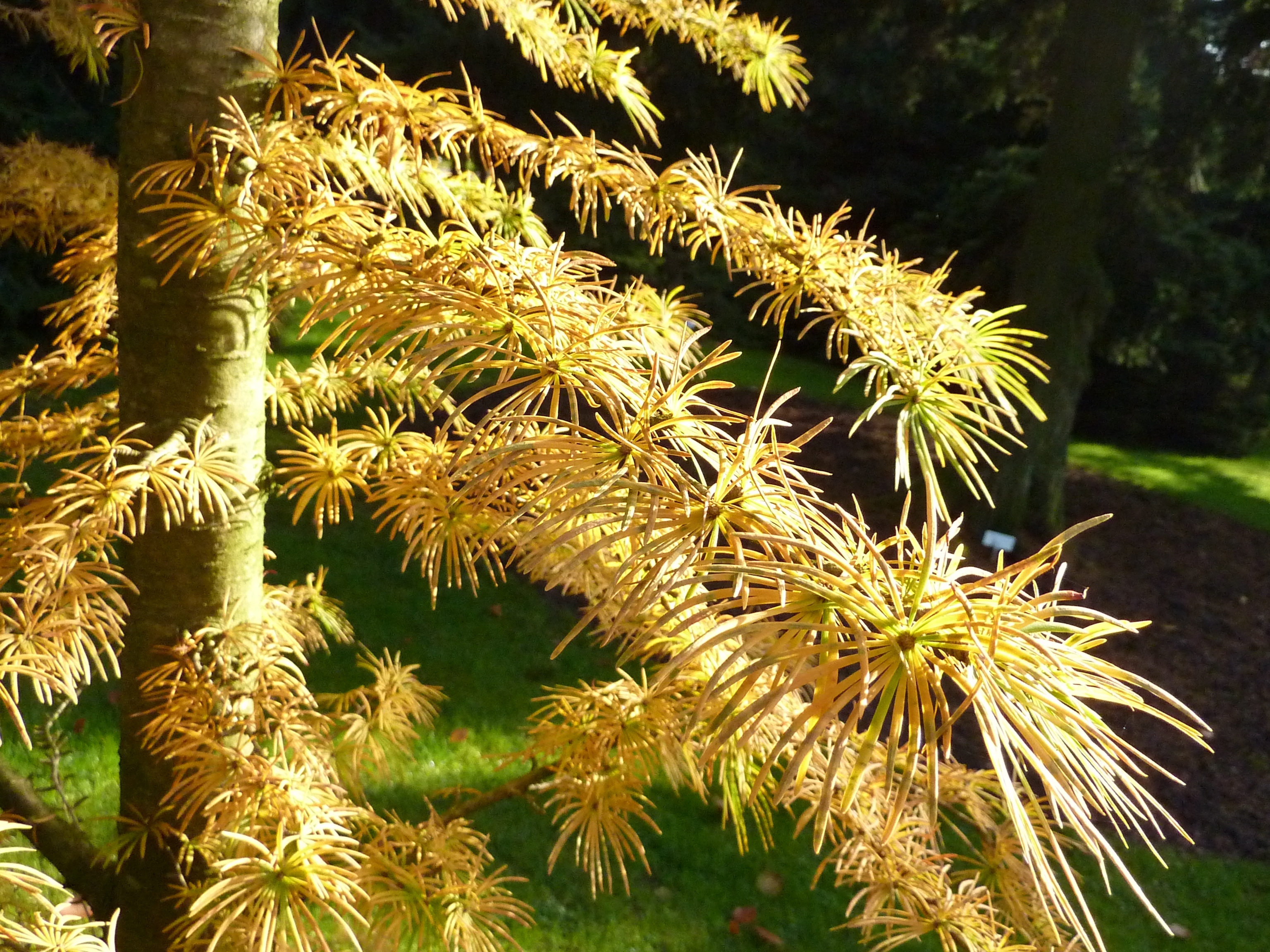
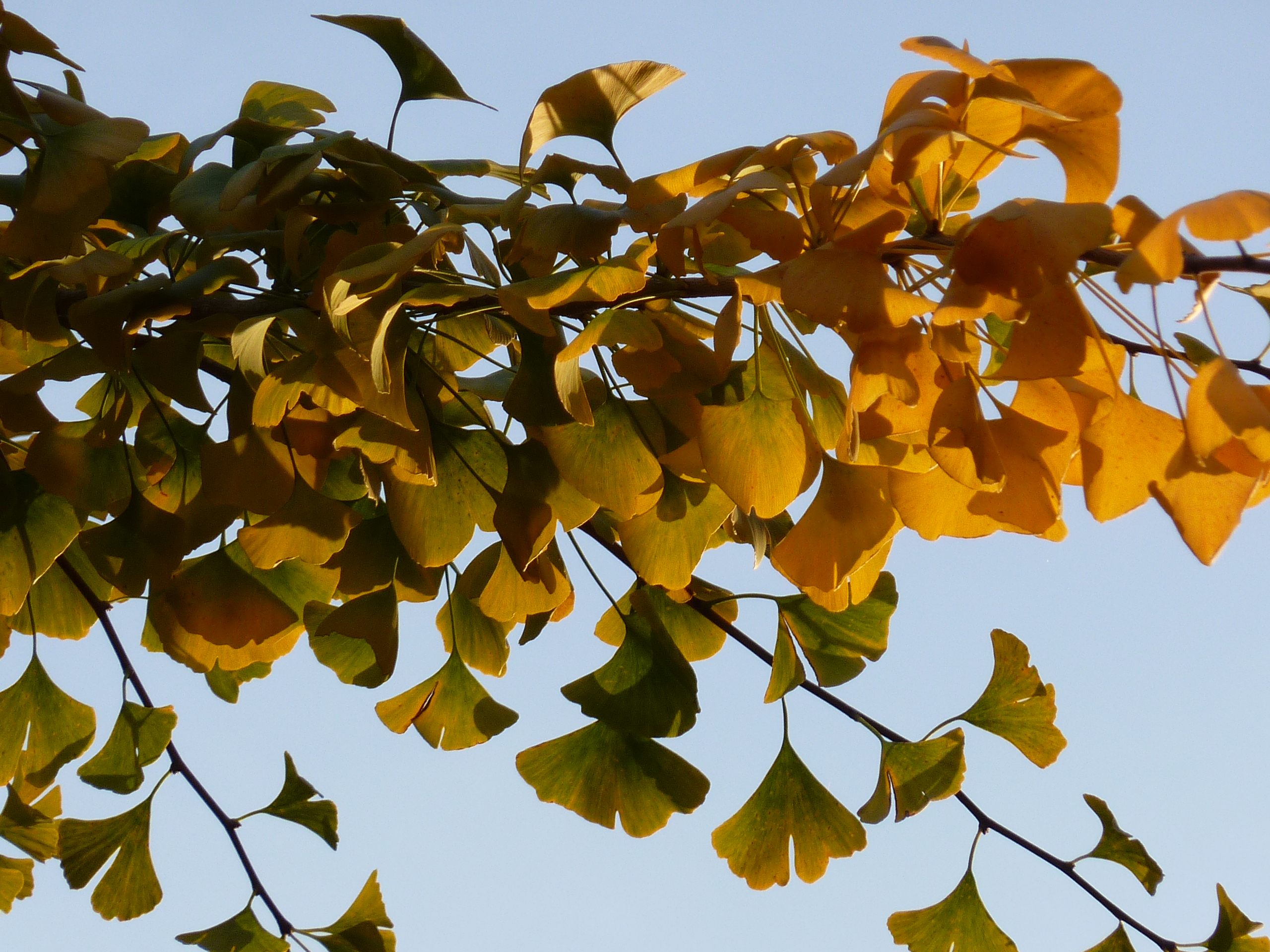
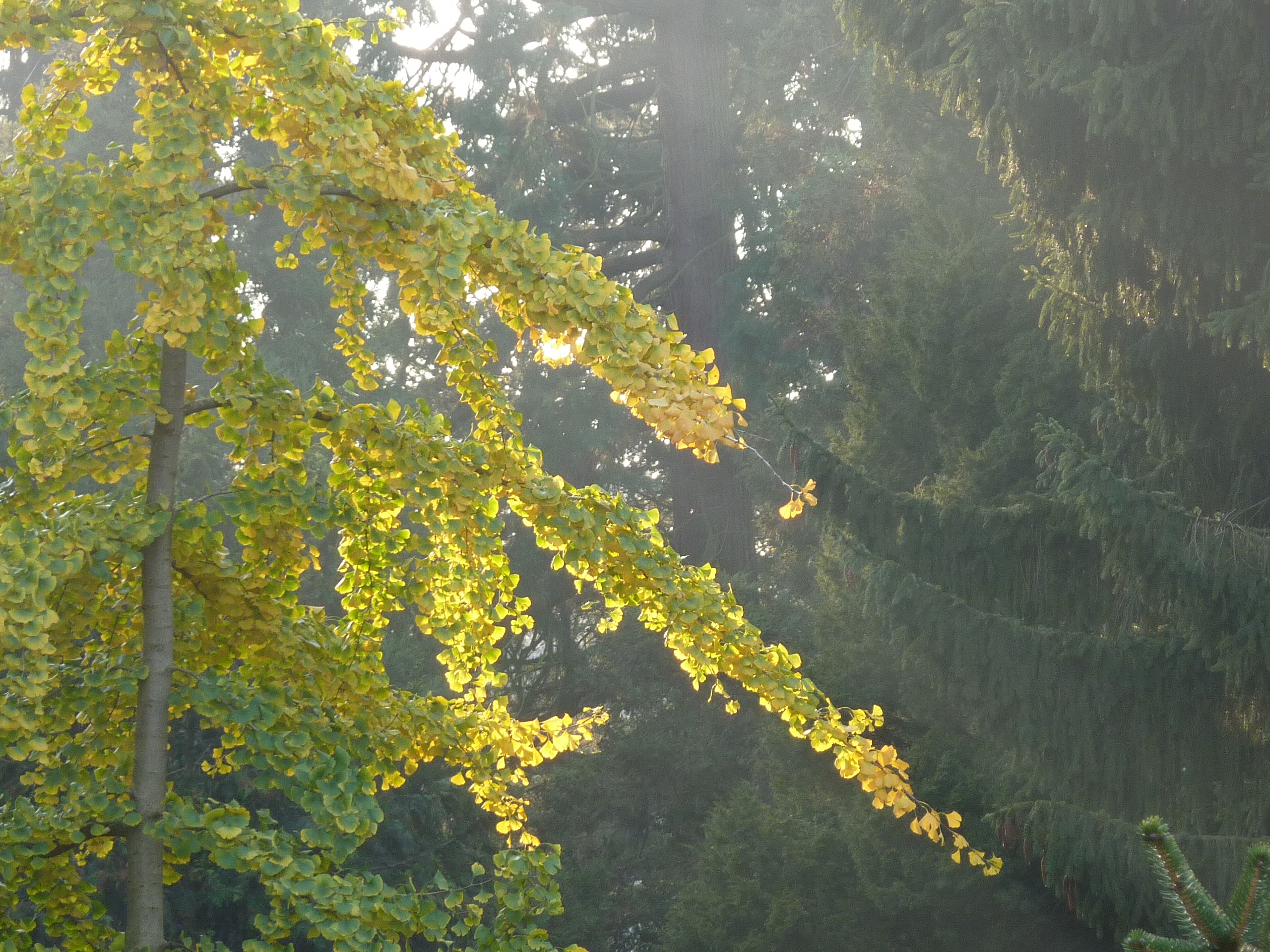
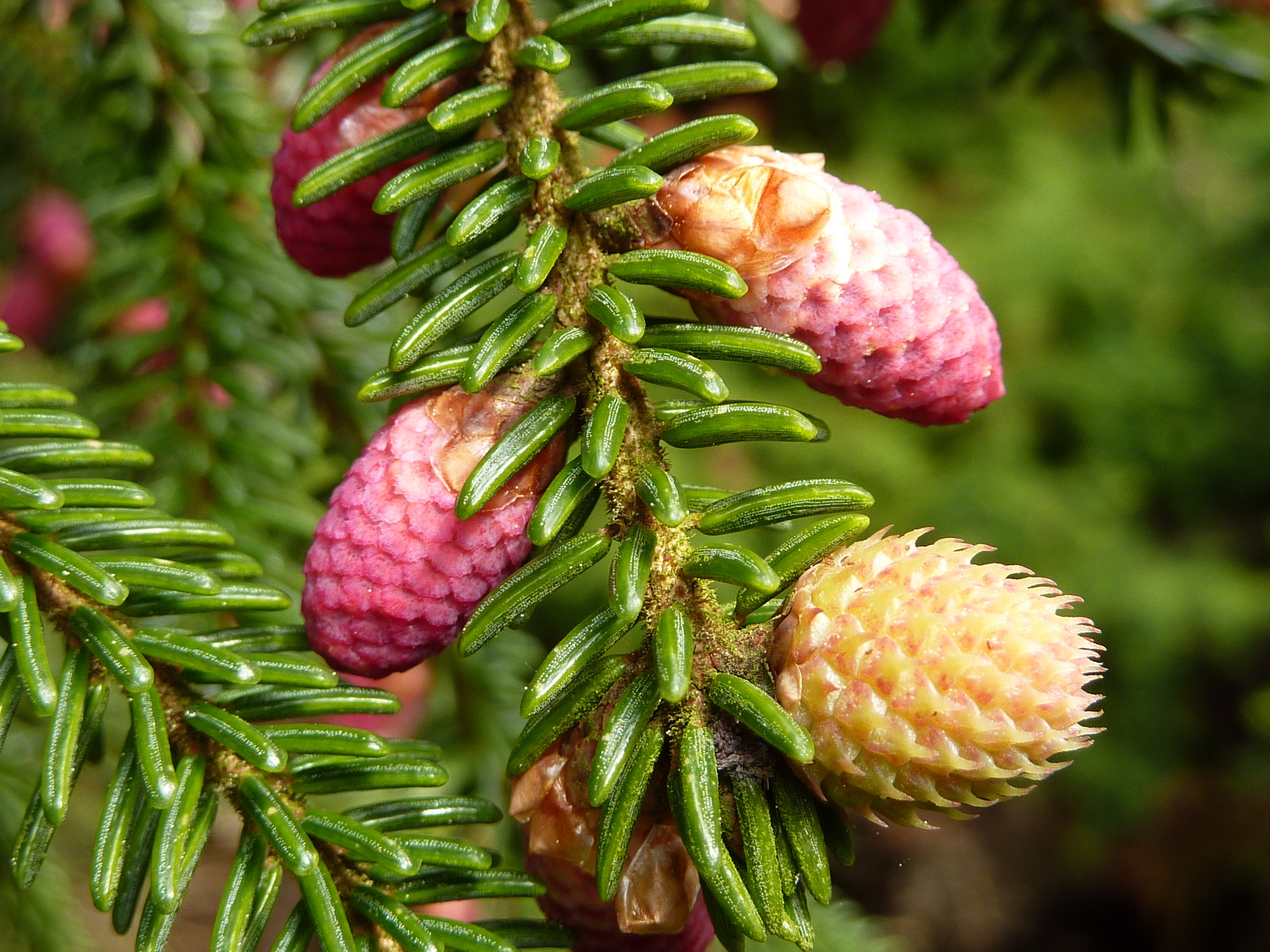
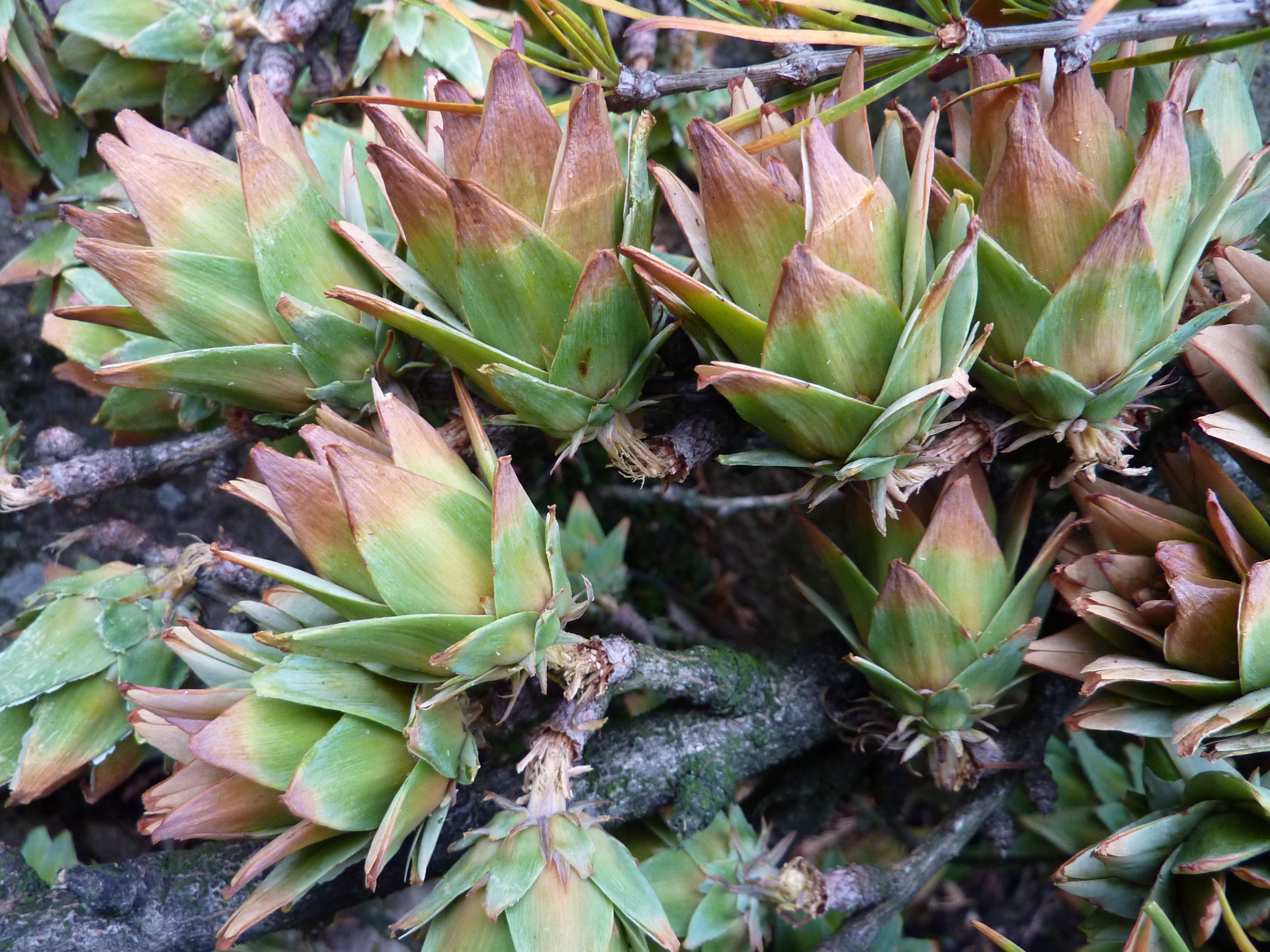
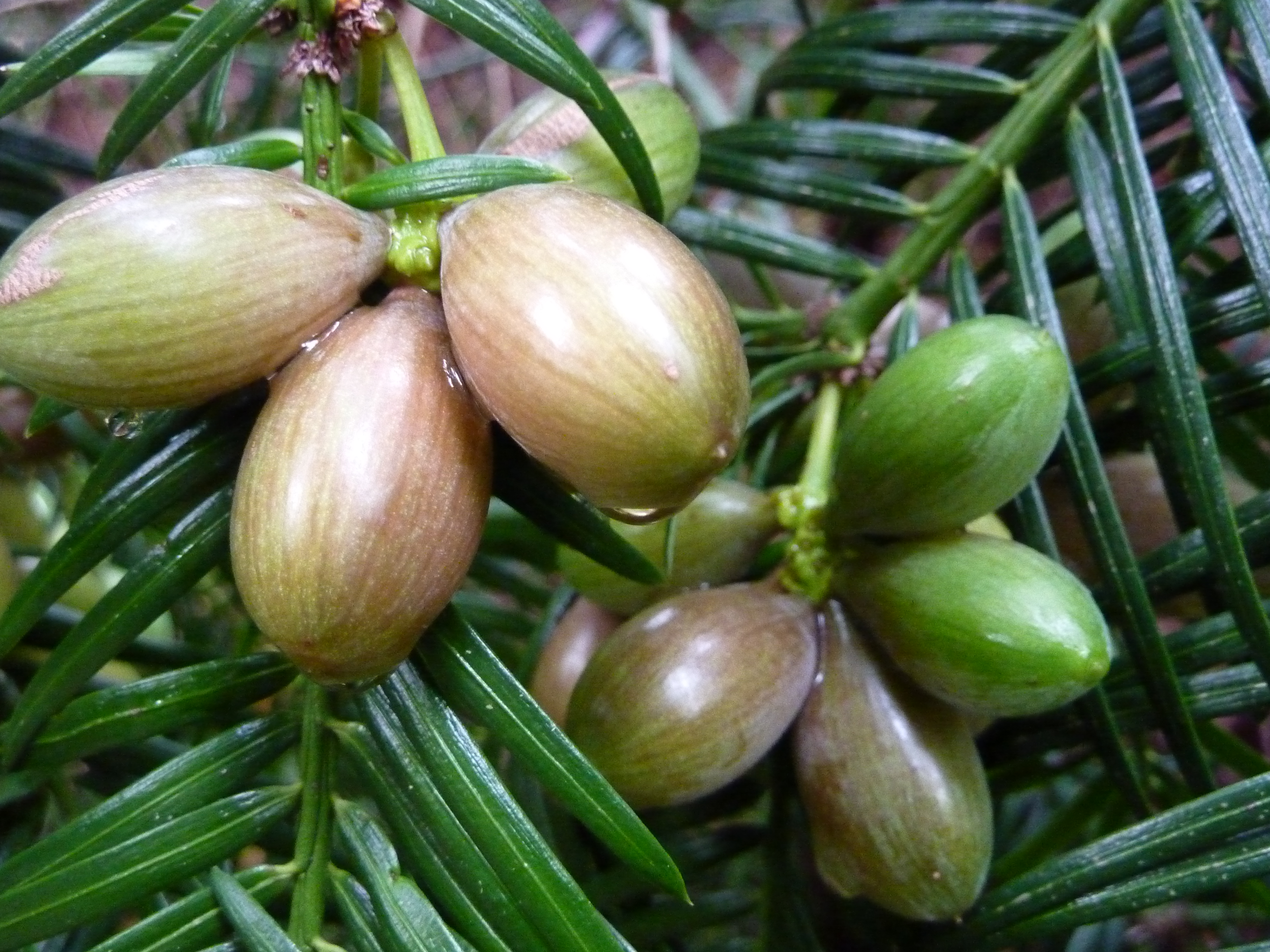
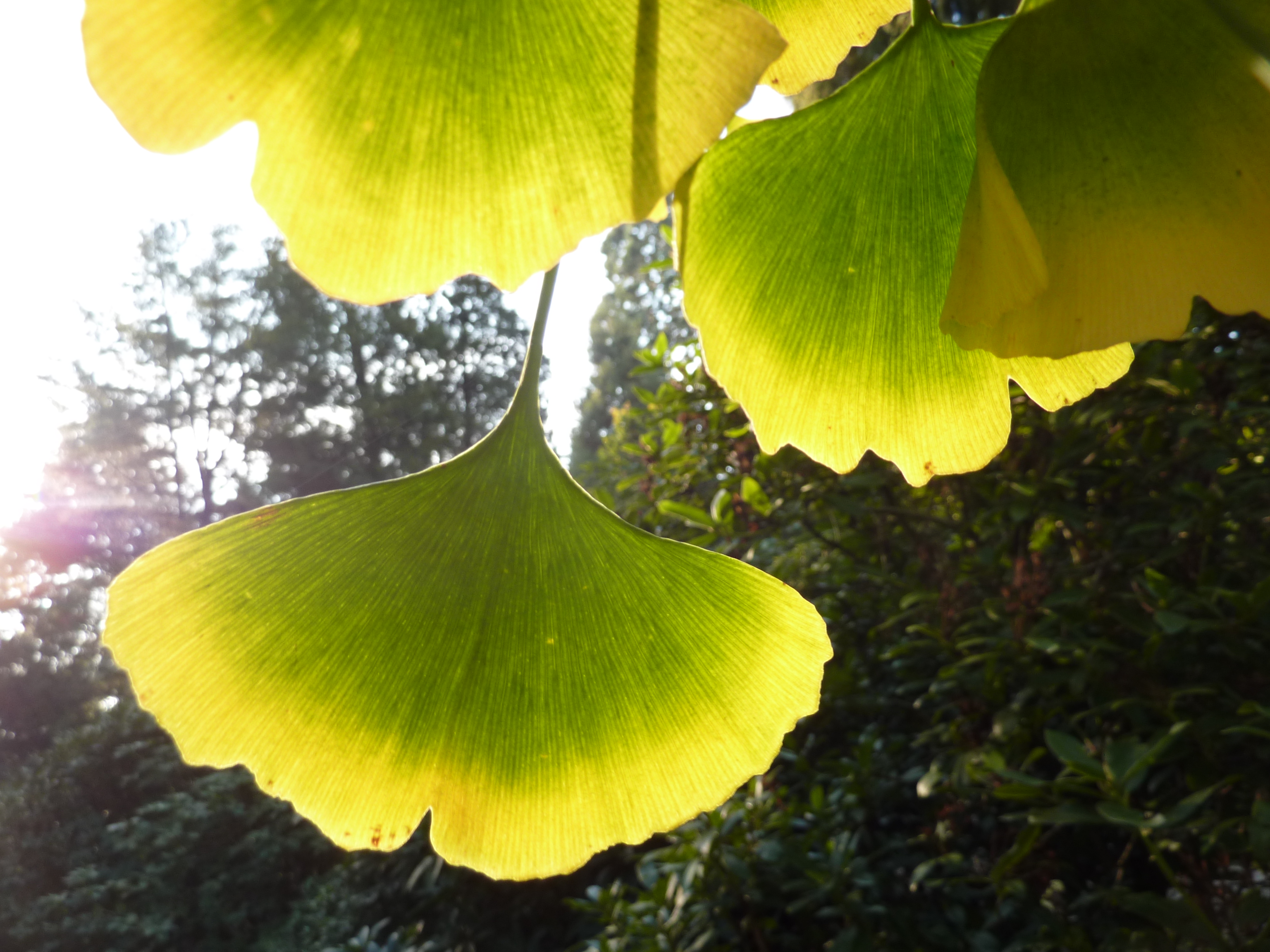
However, in the late 1990s, the existence of the Pinetum became uncertain. The University of Amsterdam and local authorities in Amsterdam and Hilversum all made it clear that they wanted to be released from their obligations regarding the Pinetum. The garden was therefore leased out to a foundation specially set up to manage it. Today, Stichting Pinetum Blijdenstein is responsible for managing and running the Pinetum, which boasts one of the most complete collections of conifers in the world.